
Appliance Moving Service Long Island

Your Appliances Moved Right the First Time

Heavy refrigerators, washers, and dryers moved safely without damage to your appliances or home. Our licensed Long Island crews with the right equipment handle the lifting, protecting, and placement so you don’t risk injury or costly repairs.

Licensed and Fully Insured

Every move is covered by proper licensing and insurance, protecting your appliances and property from unexpected damage or liability issues.

30 Years Moving Long Island

Three decades serving Suffolk County families means we know the island's narrow streets, tight doorways, and building restrictions that complicate appliance moves.

Professional Moving Equipment

Appliance dollies, protective blankets, lifting straps, and floor protection come standard on every job—not improvised solutions that damage your floors or scratch stainless steel.

No Hidden Fees

Fair, clear pricing before we start means you know exactly what you're paying without surprise charges when your refrigerator is already on the truck.

Mover shaking hands with a senior man inside a house in Long Island, NY.

Professional Appliance Movers Long Island

Moving Appliances Isn't Just About Muscle

Your refrigerator weighs 300 pounds and needs to stay upright or the compressor oil shifts. Your washer’s drum needs stabilizing or it breaks during transport. Your gas dryer requires proper disconnection or you’re looking at a safety hazard. These aren’t things you figure out halfway down the stairs with a borrowed dolly and a friend who’s already regretting saying yes. Professional appliance moving in Long Island, NY means knowing which appliances need defrosting 24 hours ahead, which ones can’t be tilted past a certain angle, and how to navigate your building’s elevator restrictions without holding up the whole move. It means having the equipment that actually works—not hoping a furniture dolly and some rope will be enough. We handle refrigerator moving, washer and dryer transport, dishwasher relocation, and any other large appliance that’s too heavy, too expensive, or too complicated to risk doing yourself. You get experienced crews who’ve moved thousands of appliances across Suffolk County and know exactly what can go wrong before it does.

Safe Appliance Relocation Long Island

What You Actually Get From Professional Movers

This isn’t about convenience. It’s about protecting appliances that cost thousands of dollars and avoiding injuries that cost even more.

You won't throw your back out lifting a 400-pound refrigerator or risk crushed fingers maneuvering it through tight doorways.

Your hardwood floors stay scratch-free and your walls don't get dented because we use proper floor protection and padding.

Appliances arrive working correctly because they're transported upright and secured properly, not tilted at angles that damage internal components.

Gas lines and water connections get disconnected safely by people who know what they're doing, not guesswork that creates leaks.

Insurance coverage protects you if something does go wrong, instead of eating the full replacement cost yourself.

The move gets done in hours instead of taking all weekend, and you're not recruiting friends who don't know what they're doing.

Ready to get started?

1.svg

Share project details

Call us or get a free online quote to help us identify your project needs.

2.svg

We'll follow up

If you requested an online quote, you can expect a callback within 24-48 hours of your request.

3.svg

The floor is yours

Connect with an expert and share all project specifics.

4

Plan your project

Like what you hear? We'll provide next steps and expert guidance.

Professional movers doing home relocation in Long Island, NY. One has a orange vest and one has blue overalls and a red hat

Refrigerator Moving Service Long Island

Why Refrigerators Need Special Handling

Refrigerators are the most commonly damaged appliance during moves, and it’s usually not visible until weeks later when the unit stops cooling properly. The compressor oil needs to stay in place. The cooling system can’t handle being laid flat for extended periods. And if you tilt it too far trying to get it around a corner, you’ve just created a problem that won’t show up until after you’ve unplugged everything and loaded the truck. We keep refrigerators upright during the entire move. We defrost them properly ahead of time so you’re not dealing with water damage in your truck. We measure doorways before we start so we know which route works instead of discovering halfway through that it doesn’t fit. And we use appliance dollies designed for 700-pound loads, not furniture dollies that weren’t built for this. The difference between a refrigerator that works perfectly in your new place and one that needs a $500 repair call often comes down to how it was moved. Professional refrigerator moving service in Long Island, NY means equipment that’s actually rated for the job and experience that prevents the mistakes that damage expensive appliances.

Washer and Dryer Movers Long Island

What's Included in Washer and Dryer Moving
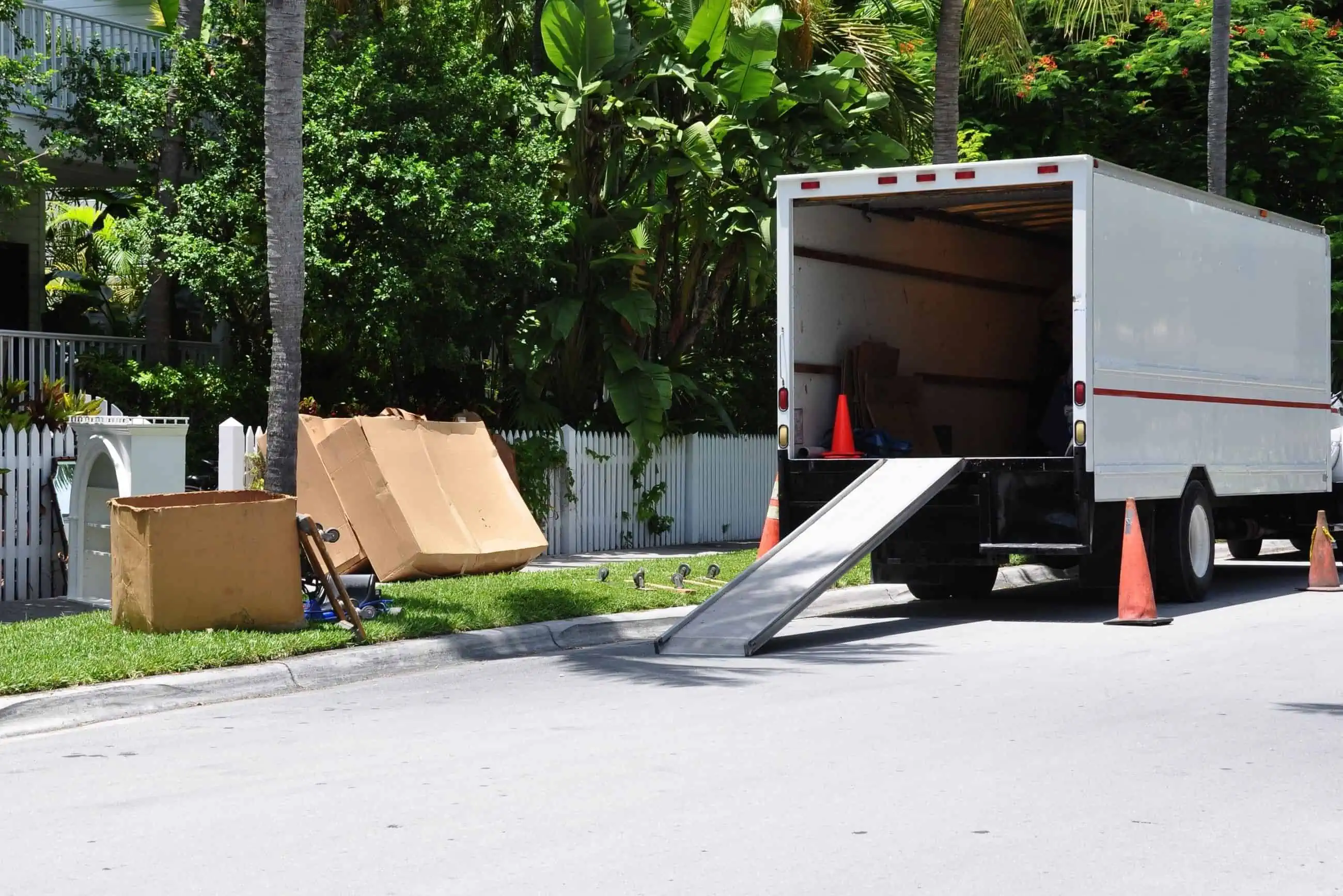
Washing machines have internal drums that need to be stabilized before transport or they shift and cause permanent damage. Dryers have venting systems that need proper disconnection. Both have water and gas lines that can’t just be yanked out. And both are heavy enough that moving them without the right equipment means risking injury and property damage. When we move washers and dryers in Long Island, we disconnect water supply lines correctly, drain remaining water so it doesn’t leak during transport, and secure moving parts so nothing breaks internally. We protect your floors with proper materials, not cardboard that slides around and scratches hardwood. And we handle gas dryer disconnection safely, which isn’t something you want to guess about. The equipment matters as much as the knowledge. Appliance dollies distribute weight properly. Lifting straps reduce strain and improve control. Protective blankets prevent scratches to stainless steel finishes. These aren’t luxuries—they’re the difference between appliances that arrive ready to use and ones that need repairs before they’ll work again.
A moving truck from a renowned Long Island moving company is parked on a residential street with its back door open and a ramp extended. Large cardboard boxes and packing materials are positioned on the grass nearby, while orange safety cones surround the truck. Trees and a white fence are in the background.
Appliance Moving FAQs

Common questions about Appliance Moving

Professional appliance moving in Long Island typically costs between $75 and $150 per appliance for local moves, with pricing depending on the appliance type, weight, and access challenges like stairs or narrow doorways. Refrigerators and large washers usually fall on the higher end because of their weight and the specialized handling they require. Some companies charge hourly rates ranging from $100 to $170 for a two-person crew, while others offer flat-rate pricing per appliance. The final cost also factors in whether you need disconnection and reconnection services for water lines or gas connections. Getting a clear written estimate before the move prevents surprise charges and helps you budget accurately. Keep in mind that trying to save money with DIY moving often costs more when you factor in equipment rental, potential injury, and the risk of damaging a $2,000 refrigerator.
Yes, proper preparation prevents damage and delays on moving day. Refrigerators and freezers need to be defrosted at least 24 hours before the move—this process can’t be rushed, and any remaining ice will melt during transport and create water damage. Empty all food and remove shelving or drawers that could shift and break. For washing machines, you’ll need to disconnect the water supply and drain any remaining water from the hoses. Dishwashers should be emptied and dried. Gas appliances require the gas line to be shut off, which you might want a professional to handle if you’re not comfortable doing it yourself. Secure any loose parts with tape and make sure there’s a clear path from the appliance to the door without obstacles. If you’re not sure about specific preparation steps for your appliances, ask us ahead of time—we can walk you through exactly what needs to happen before we arrive.
Refrigerators should stay upright whenever possible during the move. Laying a refrigerator on its side can cause the compressor oil to leak into the cooling lines, which affects the appliance’s ability to cool properly and can lead to expensive repairs or complete failure. If a refrigerator absolutely must be tilted or laid down due to tight spaces or doorways, it should only be on its side briefly, and you’ll need to let it stand upright for several hours before plugging it back in so the oil can settle back into the compressor. We use specialized dollies and techniques to keep refrigerators upright even when navigating stairs, tight corners, and narrow hallways. This is one of the main reasons hiring experienced movers makes sense—we have the equipment and knowledge to transport refrigerators the right way, protecting your investment and ensuring the appliance works correctly when you plug it in at your new place.
We use specialized equipment designed specifically for heavy, awkward loads that standard moving tools can’t handle safely. Appliance dollies are built to support up to 700 pounds and feature wider bases, taller backs, and often stair-climbing capabilities with special wheel configurations that provide leverage on steps. Heavy-duty lifting straps distribute weight properly and give our movers better control than trying to grip smooth appliance surfaces. Furniture sliders and protective mats prevent floor damage—not cardboard that shifts and scratches hardwood. Moving blankets thick enough to actually protect stainless steel finishes get secured with straps instead of tape that damages surfaces. Floor protection materials line the path to prevent scratches to tile or hardwood. And ratchet straps secure appliances in the truck so they don’t shift during transport and cause internal damage. This equipment costs hundreds of dollars to purchase and requires training to use correctly, which is why most people don’t own it and why renting it for a single move often costs more than just hiring professionals who already have everything.
Coverage depends on the type of insurance or protection your moving company offers, and it’s not all the same. We carry liability insurance that covers damage to your property like floors and walls, plus cargo insurance that protects your belongings during transport. However, basic coverage often only reimburses based on weight—typically 60 cents per pound—which means a 300-pound refrigerator would only be covered for $180 even if it’s worth $2,000. That’s why it’s worth asking about full-value protection or additional valuation coverage, which covers the actual replacement cost of damaged items but usually costs extra. Some moving companies offer this as an add-on, while others include it in their pricing. Your homeowner’s or renter’s insurance might also provide some coverage for items damaged during a move, but you’ll need to check your specific policy. The key is getting clear answers in writing before the move starts about exactly what’s covered, what the limits are, and what you’d receive if something gets damaged. Don’t assume you’re fully protected without asking specific questions about insurance coverage.
As local Long Island movers, we understand challenges that national companies don’t encounter until they show up at your door. We know which neighborhoods have narrow streets that require smaller trucks, which buildings have strict elevator reservation requirements, and how to time moves around beach traffic during summer months. We’re familiar with the older homes throughout Nassau and Suffolk counties that have tight doorways, low ceilings, and staircases with sharp turns that complicate appliance moving. Local companies also have reputations to protect in the community, which means we’re more likely to handle problems professionally instead of disappearing after the job. You’re not dealing with crews who parachute in for the day and leave—you’re working with people who’ve been serving Long Island families for years and will still be here if you need us again. National chains might offer lower quotes initially, but those estimates often don’t account for local complications and can balloon once the move is underway. Local expertise translates to more accurate pricing, fewer surprises on moving day, and crews who actually know how to navigate the specific challenges that come with moving appliances in Long Island.
1.svg

Assessment and Preparation

We confirm appliance types, access points, and any special requirements like gas disconnection or building elevator reservations before the move date.

2.svg

Safe Disconnection and Protection

Water lines get drained, gas connections handled properly, and appliances wrapped in protective materials to prevent scratches and dents during transport.

3.svg

Professional Transport and Placement

Appliances are moved with proper equipment, kept upright when necessary, secured in the truck, and placed exactly where you need them at your new location.