
Summary:
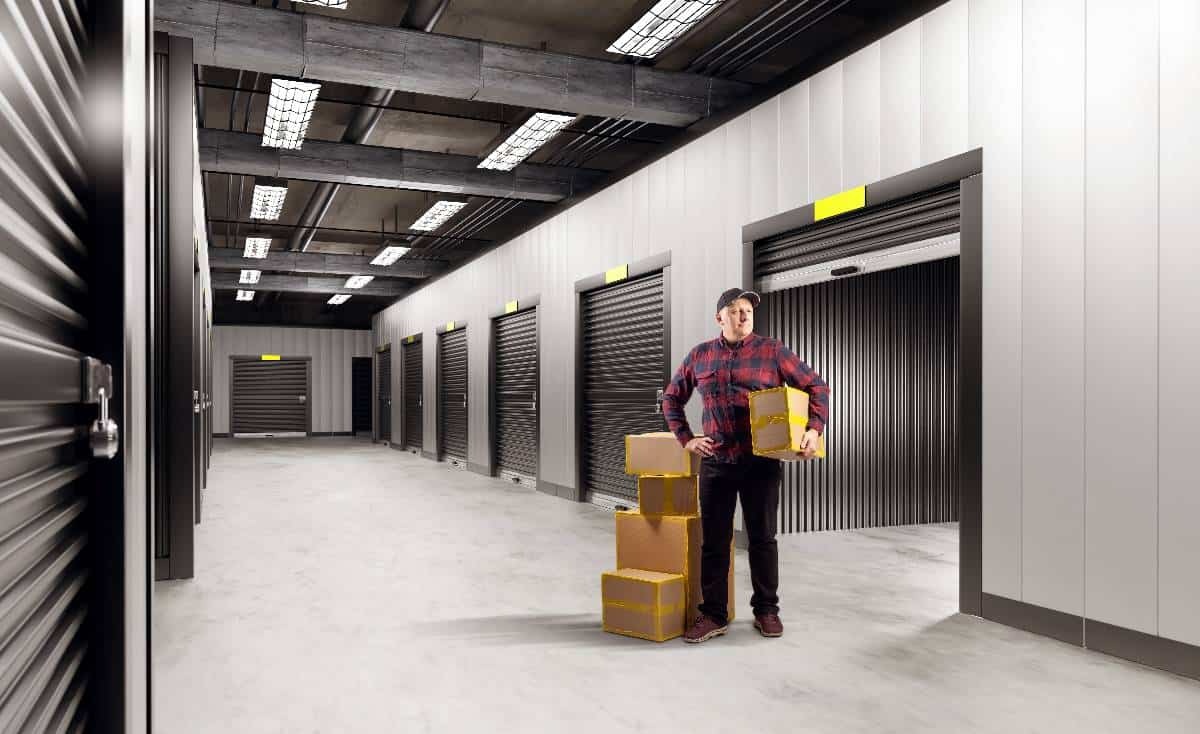
Your closets are full. Your garage has no room for the car. And you’re about to swap out winter coats for summer gear, which means everything currently crammed into storage bins needs to go somewhere. If you’re in Long Island, NY, you’ve probably noticed smaller storage places popping up alongside traditional facilities—and there’s a reason for that. People are realizing they don’t need a 10×20 unit to store seasonal items. They need something affordable, accessible, and right-sized for what they actually own. Here’s what’s driving the shift toward smaller storage options and how to find the right fit for your situation.
Why Smaller Storage Units Are Replacing Oversized Spaces
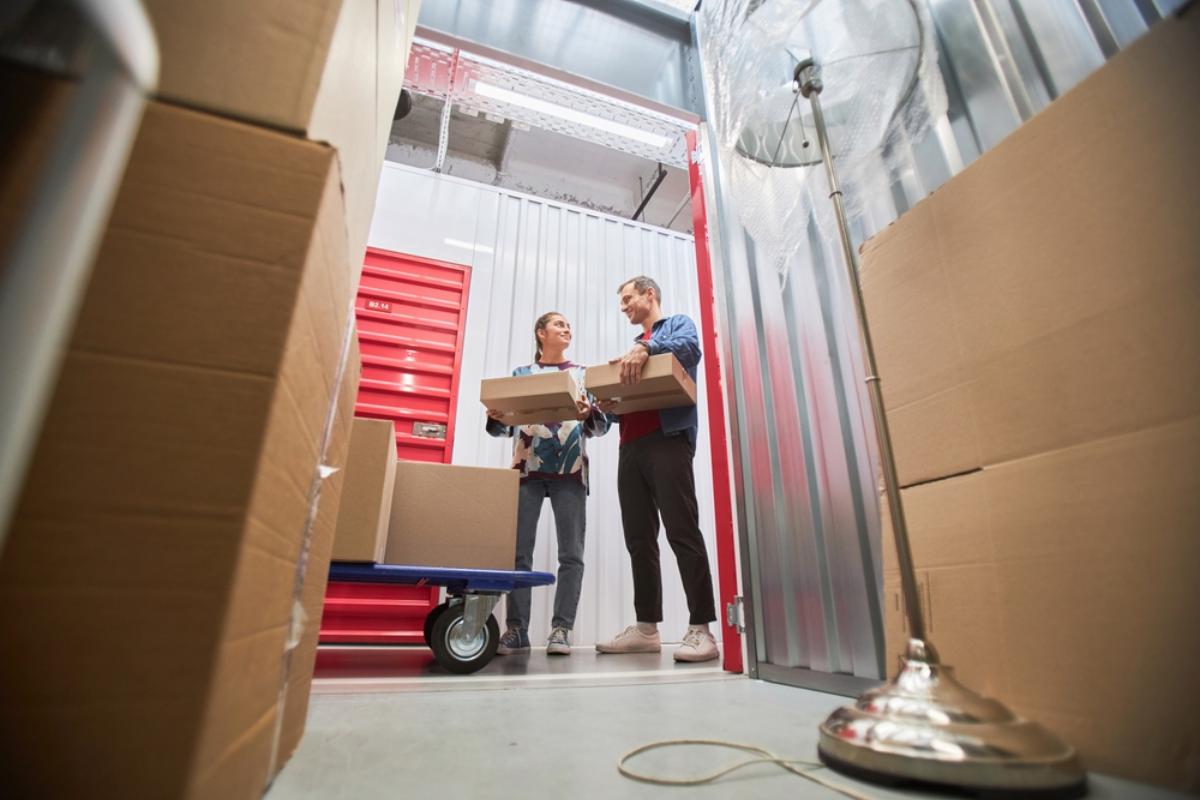
For years, storage meant renting the biggest unit you could afford and filling it with everything that didn’t fit at home. That approach worked when storage facilities only offered large units and pricing didn’t fluctuate much. But the market has changed.
Smaller units—5x5s and 5x10s—now make up a significant portion of new storage construction. These compact spaces cost less, fit seasonal needs better, and don’t lock you into paying for square footage you’ll never use. If you’re storing holiday decorations, winter clothing, or summer sports equipment, a closet-sized unit often handles the job.
Long Island residents face a specific challenge: limited home storage combined with distinct seasonal needs. You need winter gear for months of cold weather, then it all has to go somewhere when summer hits. Smaller storage places let you rotate items without the financial commitment of a larger unit.
What Actually Fits in a 5x5 or 5x10 Storage Unit
A 5×5 unit is roughly the size of a small walk-in closet. It holds about 10 to 15 boxes, several bins of holiday decorations, seasonal clothing, or small furniture pieces like end tables and lamps. If you’re storing just winter coats, boots, and a few bins of holiday items, this size works.
A 5×10 unit doubles that capacity. Think of it as a walk-in closet with some floor space. You can fit a small bedroom’s worth of items: a mattress set, dresser, boxes, and seasonal gear. Many people use 5×10 units to store patio furniture during winter, lawn equipment during summer, or sports gear they only use part of the year.
The key is being realistic about what you’re storing. If you’re rotating seasonal items twice a year, you don’t need room for an entire apartment’s worth of furniture. You need enough space for the items you’re swapping out, organized in a way that makes retrieval easy when the season changes.
Smaller units also force better organization. When space is limited, you pack more intentionally. You label boxes clearly. You stack strategically. That organization saves time when you’re switching out seasonal gear—you’re not digging through a massive unit trying to find your winter coats in October.
How Micro Storage Saves Money Without Sacrificing Access
Smaller storage places charge less because you’re renting less space. A 5×5 unit in Long Island, NY typically costs significantly less per month than a 10×10 or larger unit. Over a year, that difference adds up—especially if you’re only storing seasonal items you access twice annually.
Month-to-month flexibility matters more than most people realize. Traditional storage leases often lock you into long-term commitments with price hikes built in. Smaller, locally-operated storage places tend to offer more flexible terms. You’re not stuck paying for storage during months when you don’t need it.
Access is the other half of the equation. Some storage facilities limit access hours or charge extra for frequent visits. When you’re rotating seasonal gear, you need to get in, swap items, and get out without scheduling appointments or paying additional fees. Look for storage places that offer extended or 24/7 access, especially if your schedule doesn’t align with standard business hours.
Security features don’t shrink with unit size. Smaller units still come with the same surveillance, gated access, and individual locks as larger spaces. You’re not sacrificing protection by downsizing—you’re just paying for the square footage you actually need.
The cost savings extend beyond monthly rent. Smaller units are easier to organize, which means less time spent searching for items. They’re faster to load and unload, which matters when you’re doing seasonal swaps. And if you’re coordinating storage with a move, a right-sized unit means you’re not paying movers to transport and store items you don’t actually need to keep.
Climate-Controlled Storage for Long Island's Seasonal Extremes
Long Island’s weather swings between humid summers and cold winters. That fluctuation creates problems for items stored in non-climate-controlled units. Wood furniture warps. Electronics develop condensation damage. Fabric grows mold. Documents become brittle.
Climate-controlled storage maintains consistent temperature and humidity levels year-round. It’s not about luxury—it’s about preventing damage to items that cost more to replace than the storage premium. If you’re storing anything sensitive to temperature or moisture, climate control is worth the extra cost.
Not every seasonal item needs climate protection, but more do than most people think. Understanding what requires climate control helps you make smarter storage decisions without overpaying for features you don’t need.
What Seasonal Items Need Climate Protection in Long Island

Wooden furniture tops the list. Dressers, tables, chairs, and bed frames all contain moisture that expands and contracts with temperature changes. In a non-climate-controlled unit during a Long Island summer, wood can warp, crack, or separate at the joints. Winter cold causes similar problems. Climate control keeps wood stable.
Electronics and appliances need consistent temperatures. Televisions, computers, sound systems, and even kitchen appliances contain components that don’t handle extreme heat or humidity well. Condensation can form inside devices stored in hot, humid conditions. That moisture causes corrosion and electrical failures. If you’re storing electronics between moves or during renovations, climate control protects your investment.
Fabric and clothing require humidity control more than temperature control. Mold and mildew grow in humid environments, and once they take hold in stored clothing or upholstery, the damage is often permanent. Winter coats, seasonal wardrobes, and fabric furniture all benefit from climate-controlled storage. The cost of replacing a ruined winter coat or a mold-damaged couch far exceeds the monthly premium for climate control.
Documents, photos, and anything paper-based deteriorate quickly in fluctuating conditions. If you’re storing business records, family photos, or important paperwork, humidity causes yellowing, brittleness, and mold growth. Climate-controlled units keep these items in the same condition you stored them.
Holiday decorations fall into a gray area. Plastic bins protect most decorations from dust and pests, but they don’t prevent temperature damage. Candles melt in hot units. Delicate ornaments can become brittle in extreme cold. If your holiday decorations have sentimental or monetary value, climate control makes sense. If you’re storing basic plastic trees and generic ornaments, a standard unit probably works fine.
Finding Local Storage Facilities That Actually Understand Long Island
National storage chains operate differently than local facilities. They offer consistency and technology, but they don’t always understand Long Island-specific challenges. Local storage places, especially those connected to moving companies, bring expertise that matters when you’re coordinating storage with other services.
Long Island has unique logistics. Traffic on the LIE affects when you can realistically access storage. Parking restrictions in some areas make loading and unloading difficult. Building regulations in co-ops and condos require specific timing and elevator reservations. A storage facility that understands these challenges can help you plan around them instead of discovering problems on moving day.
Storage places connected to local moving companies offer another advantage: coordination. If you’re moving, renovating, or downsizing, you’re likely dealing with multiple services—movers, junk removal, and storage. Working with one company that handles all three eliminates the back-and-forth between separate vendors. Your movers already know where your items are going. They can time storage delivery with your move-in date. They handle junk removal for items you don’t want to store or take with you.
This coordination matters most during timing gaps. Your closing date gets pushed back three weeks. Your renovation runs over schedule. Your new home isn’t ready when you need to vacate the old one. A local moving and storage company can adjust on the fly because they’re managing the entire process, not just one piece of it.
Look for storage places that offer month-to-month terms, climate-controlled options, and flexible access. Ask about their experience with Long Island moves and whether they coordinate storage with moving services. Check if they handle junk removal, which often becomes necessary when you’re deciding what to store versus what to discard. And confirm their familiarity with local building requirements if you’re moving to or from a co-op, condo, or building with specific moving regulations.
The right storage facility doesn’t just give you a unit and a lock. They understand your situation, offer solutions that fit your actual needs, and make the logistics easier instead of harder.
Making Storage Work for Your Situation, Not Against It
Seasonal gear doesn’t need a warehouse-sized unit. Holiday decorations, winter clothing, and summer equipment fit comfortably in smaller storage places designed for exactly that purpose. The shift toward micro-sized units reflects what people actually need: affordable, accessible storage that doesn’t require long-term commitments or oversized spaces.
Climate control protects items that matter. Long Island’s weather creates real risks for furniture, electronics, and fabric stored in fluctuating conditions. Paying a bit more for climate-controlled storage often costs less than replacing damaged belongings.
Coordination makes everything simpler. When your storage facility understands Long Island logistics and works with your moving and junk removal needs, you’re dealing with one team instead of juggling multiple companies. That coordination saves time, reduces stress, and eliminates the gaps that create problems during transitions.
If you’re facing a move, renovation, or just tired of seasonal clutter taking over your home, we handle storage alongside moving and junk removal across Long Island, NY. Local expertise, flexible options, and straightforward service—without the runaround.