
Summary:
You’re standing in a house full of someone’s life — furniture, boxes, appliances, decades of things accumulated in a basement that hasn’t been touched in years. You know it all needs to go. You’ve heard the term “estate sale,” maybe “estate cleanout” too, and you’re not entirely sure which one you need or whether they’re even different things. They are different. And understanding how they work together — not just separately — is what actually gets a house cleared and ready to move on from. Here’s what you need to know.
What Is an Estate Sale and How Does It Work?
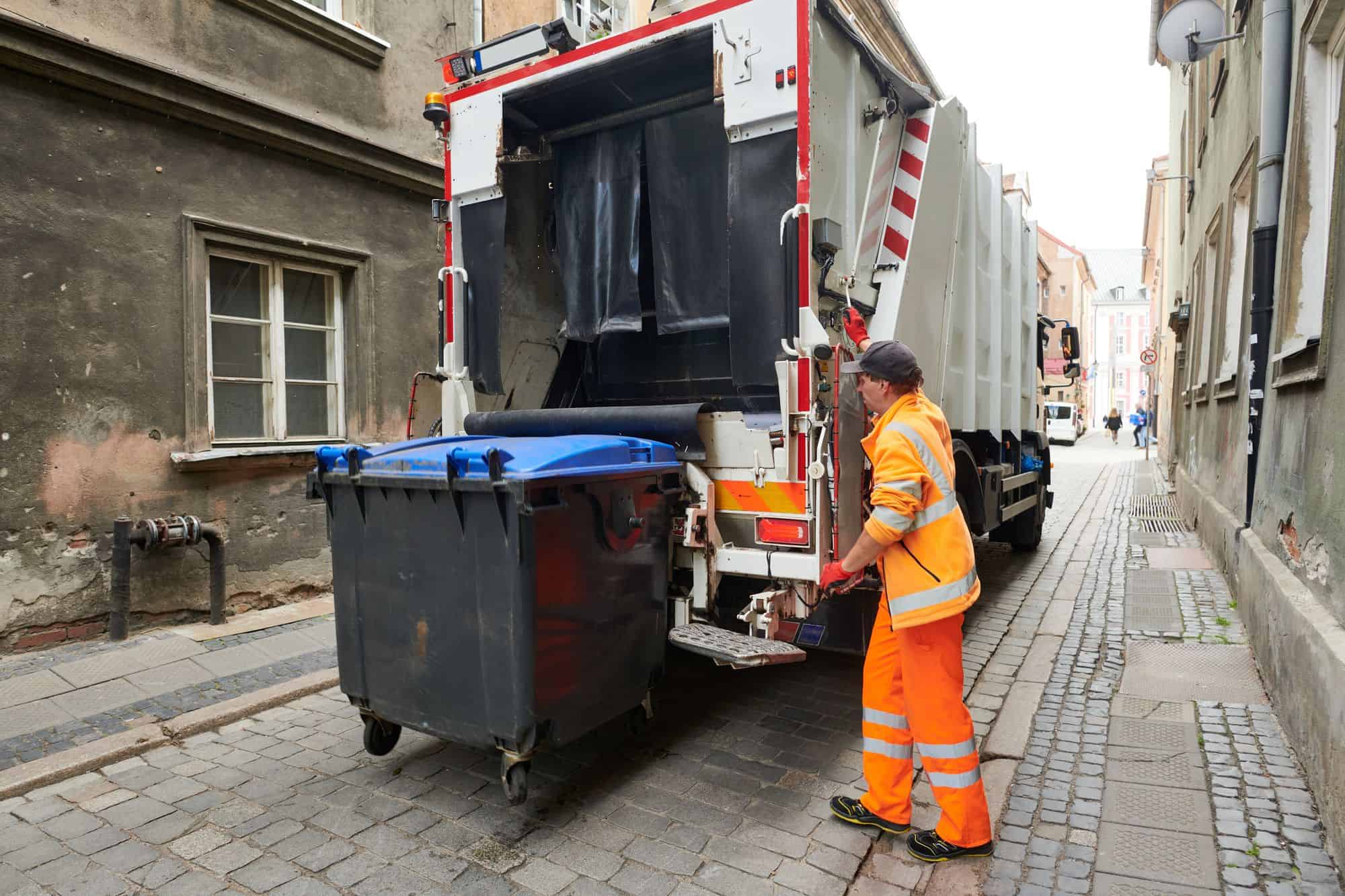
An estate sale is a structured, on-site selling event — usually run by a professional estate sale company — where the contents of a home are priced, staged, and sold directly to members of the public over one to three days. Think of it as a highly organized open house where everything inside is for sale. The estate sale company handles the research, pricing, marketing, and staffing. They typically take a commission of 25 to 35 percent of total proceeds in exchange for their work.
On Long Island and throughout Nassau County, you’ll also hear the term “tag sale” used interchangeably with estate sale — it’s a regional thing, not a different service. The goal in either case is to recover real value from the belongings before anything gets hauled away. A well-run sale, marketed to a serious buyer list, can move furniture, collectibles, appliances, jewelry, and household goods that might otherwise end up in a truck.
What Happens to Everything That Doesn't Sell?
This is the part most families don’t think about until the estate sale company has packed up and left — and the house is still half-full.
Estate sales don’t empty homes. Even a well-run, well-attended sale typically leaves behind a significant portion of the home’s contents. The items that didn’t sell — furniture that was too heavy to move on the day, odds and ends that didn’t attract buyers, appliances in the garage, boxes in the basement — those are all still there. The estate sale company’s job ends when the sale ends. What comes next is an entirely separate service.
This is the moment that catches most Nassau County families off guard. They planned for the sale. They didn’t plan for the aftermath. And now they’re looking at a house that still needs to be cleared, often with a real estate closing deadline or a probate timeline pressing in from one direction and carrying costs pressing in from another.
Nassau County property taxes are among the highest in the country — an inherited home sitting vacant while you figure out the next step is an expensive place to be indecisive. The answer to “what do we do with everything that’s left?” is an estate cleanout. And ideally, that’s something you’ve already arranged before the sale ends — not something you’re scrambling to find afterward.
The families who handle this transition smoothly are the ones who treated the estate sale and the cleanout as two connected steps in a single process, not two separate decisions made weeks apart.
Estate Sale vs. Garage Sale vs. Tag Sale — Is There a Difference?
It’s worth clearing this up because the terminology genuinely confuses people, especially here on Long Island where “tag sale” is part of the everyday vocabulary.
A garage sale or yard sale is typically a casual, self-organized event — you price your own items, set up in the driveway, and sell directly to neighbors and passersby. There’s no professional involvement, no marketing list, and no expertise in pricing antiques or collectibles. What you make depends almost entirely on foot traffic and your own knowledge of what things are worth.
A tag sale, in the Long Island and broader New York context, is functionally the same as an estate sale — a professionally organized, in-home selling event. The “tag” just refers to the price tags placed on items. When a company advertises a “tag sale,” they mean the same thing as an estate sale: curated, marketed, staffed, and run by professionals who know how to price and sell household contents.
The meaningful distinction isn’t between tag sales and estate sales — it’s between any kind of organized sale and what happens after. A professional estate sale company brings buyers in. An estate cleanout service takes everything out that’s left. Both have their role. Neither replaces the other.
Estate Cleanout Services: What They Include and When You Need Them
An estate cleanout is the process of fully clearing a property — sorting through what remains, coordinating donations to local charities, recycling what can be recycled, and hauling away everything else. It’s not just junk removal with a different name. A proper estate cleanout involves assessment, sorting, and responsible disposal — not just loading a truck and driving away.
You need an estate cleanout when the goal is to leave a property completely empty and ready for the next step, whether that’s listing it for sale, handing over the keys to a new owner, or simply closing out an estate. It’s the service that finishes the job the estate sale started.
Junk Removal vs. Estate Cleanout: Understanding the Real Difference
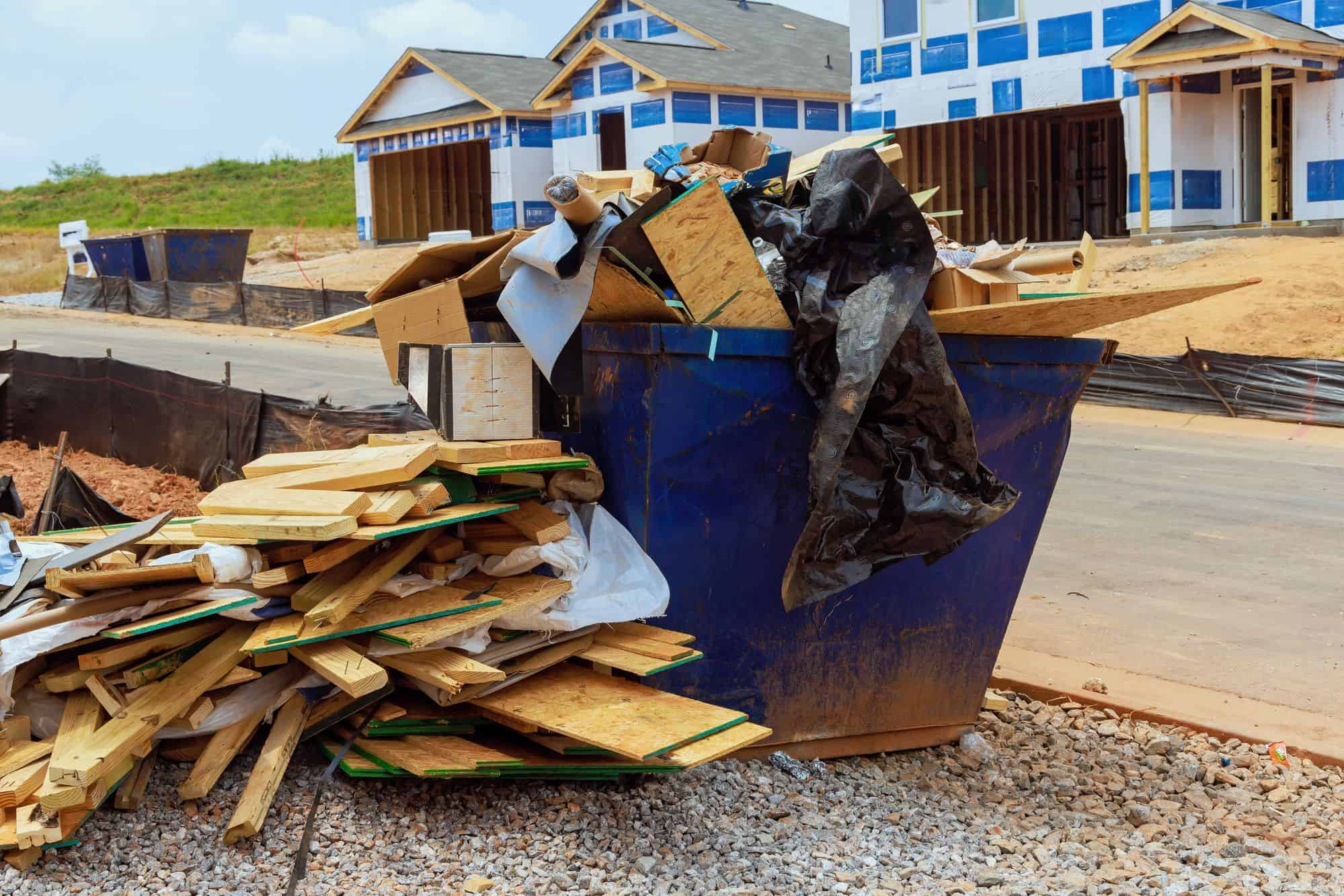
People use “junk removal” and “estate cleanout” interchangeably, but they’re not quite the same thing — and the difference matters when you’re dealing with a family home full of belongings that deserve more than a single pass with a truck.
Junk removal is typically a faster, more transactional service. You point to what needs to go, the crew hauls it, and you’re done. It works well for a garage full of broken equipment or a basement full of obvious debris. What it doesn’t account for is the sorting process — figuring out what has real value and should go to donation or consignment, what can be recycled, and what actually belongs in disposal. A junk removal crew isn’t there to make those distinctions for you.
An estate cleanout, done properly, involves a more deliberate process. We assess the property, sort items into categories — donation, recycling, disposal — and handle each appropriately. For Nassau County families clearing out a post-war home in Levittown, Massapequa, or Hicksville that’s been occupied for 60 or 70 years, that distinction is significant. These homes have basements and attics packed with generations of belongings. Some of it is genuinely valuable. Some of it can go to a local charity and find a new home rather than a landfill.
We sort for donation to local Long Island charities and recycling facilities before anything goes to disposal. It’s not just a better outcome for the environment — it’s a more respectful way to handle a loved one’s belongings, and it matters to the families we work with.
Furniture Removal During an Estate Cleanout: Why Moving Expertise Matters
Furniture removal sounds straightforward until you’re looking at a solid oak armoire on the second floor of a 1950s Cape Cod with a narrow staircase and a doorway that wasn’t built with furniture in mind. This is where the difference between a moving company and a generic hauler becomes very real.
Getting large, heavy furniture out of a home without damaging walls, doorways, floors, or the furniture itself — especially furniture that’s going to a family member’s home rather than disposal — requires actual moving expertise. Lift gates, hand trucks, the right crew size, and 40-plus years of experience navigating the specific housing stock of Nassau and Suffolk County. That’s not something you can assume every cleanout company brings to the job.
There’s also a scenario that comes up regularly in estate transitions that most cleanout companies aren’t equipped to handle: some items need to be hauled away, and some items need to be delivered to family members across Long Island or into the city. When you hire a moving company that also does estate cleanouts, both of those things can happen in the same engagement. One call, one crew, one job. The furniture going to your sister in Garden City gets delivered. Everything else gets cleared. The house is empty by the end of the day.
This is the kind of bundled capability that saves families the coordination headache of managing two separate vendors during an already difficult time. Estate cleanouts in Nassau County often involve exactly this mix — some items to keep, some to donate, some to haul — and having a single team that can handle all of it is worth a great deal when you’re already managing grief, probate paperwork, and a real estate timeline simultaneously.
Which Do You Need — an Estate Sale, an Estate Cleanout, or Both?
For most Nassau County families, the honest answer is both — in sequence. An estate sale first, to recover real value from items worth selling. An estate cleanout second, to clear everything that remains and leave the property ready for whatever comes next. The families who handle this most smoothly are the ones who arrange both steps before the sale begins, not after.
If there’s nothing worth selling — or if the timeline doesn’t allow for a multi-day sale event — going straight to a professional estate cleanout is entirely reasonable. A full cleanout of a standard home takes one to three days with the right crew. A DIY effort typically takes three to six weeks and involves far more physical and emotional weight than most people anticipate.
If you’re navigating an estate transition in Nassau County and you’re not sure where to start, Dunbar Moving has been doing this work on Long Island for over 40 years. We’ll assess the property, give you an upfront price based on volume, and handle everything from there. Reach out for a free, no-obligation estimate.