

Hear from Our Customers

Living along Little Peconic Bay means your home is exposed to the kind of ambient humidity that warps wood furniture, works into upholstery, and quietly damages the things you’ve spent years collecting. Standard storage units essentially uninsulated metal boxes don’t stop that. Climate-controlled storage does. When the same team that wrapped and loaded your belongings is also responsible for keeping them in a regulated environment until delivery, there’s no handoff, no liability gap, and no moment where your things are someone else’s problem.
North Sea’s renovation cycle adds another layer. Projects here routinely run longer than planned permit timelines from the Town of Southampton, contractor scheduling, the complexity of estate-scale work. You shouldn’t be locked into a six-month storage contract because a kitchen renovation ran ten weeks over. Our month-to-month flexibility means you stop paying the moment you’re ready to move back in, not when a contract allows it.
Whether you’re managing a seasonal home transition, bridging a real estate closing gap, or clearing out a home mid-renovation, the outcome is the same: your belongings are handled by professionals from the first box packed to the last piece placed and they arrive in the same condition they left.
We’ve been operating in Suffolk County since 1982. That’s over 40 years of Long Island moves through Hamptons summers, winter freezes, real estate booms, and renovation cycles that stretched well past their original timelines. Our crews know North Sea Road heading toward Southampton Village, Noyac Road toward Sag Harbor, and the seasonal congestion patterns that define moving season on the South Fork. We’ve been on these routes longer than most moving companies in this area have existed.
We’re fully licensed and insured, and our pricing model is flat-rate meaning the number on your estimate is the number on your invoice. That’s not a promise made lightly. Our customers have confirmed it across independent reviews on Yelp, Angi, and Google, consistently and over time. No surprise fees on moving day. No holding your belongings until you agree to pay more.
One company handles your move and your storage. That means one point of accountability not two contracts, two sets of fine print, and a gray area in between.

It starts with a flat-rate estimate. You describe what needs to move, where it’s going, and how long you expect to need storage. We give you a number that doesn’t change. No cubic footage surprises, no fuel surcharges added after the fact.
On moving day, our crew arrives, packs what needs packing, wraps what needs protecting, and loads everything with the care that high-value belongings require. If you’re in North Sea, that means accounting for the seasonal congestion patterns and the specific traffic dynamics of the area. Showing up late because of Hamptons summer traffic isn’t an option when you’re working with someone who’s been doing this for 40 years on Long Island.
From there, your belongings go directly into climate-controlled storage temperature and humidity regulated, secured, and managed by the same company that loaded the truck. When you’re ready whether that’s three weeks or six months later our crew delivers and places everything exactly where it needs to go. No coordinating with a separate warehouse. No wondering who’s responsible if something isn’t right.
Ready to get started?
Our moving and storage services cover the full chain. Professional packing using proper materials, careful loading with furniture wrapping and padding, transport by licensed and insured crews, climate-controlled storage in a regulated facility, and final delivery with placement all under one agreement, one flat rate, and one team.
The climate-controlled storage component matters more in North Sea than it does in most places. The combination of bay-area humidity from Little Peconic Bay, salt air off North Sea Harbor, and Long Island’s seasonal temperature swings hot, humid summers and hard freezes in winter creates exactly the conditions that damage wood furniture, corrode electronics, and promote mold in fabric and upholstery. Climate-controlled storage regulates both temperature and humidity year-round, which is the baseline standard for anyone storing belongings worth protecting in this environment.
Storage is month-to-month. There are no long-term contracts, no minimum commitments beyond what your situation actually requires. That flexibility is especially relevant in a community where 34.8% of housing is seasonally occupied and renovation timelines regularly outlast their original estimates. If your situation resolves in five weeks, you pay for five weeks. Specialty items pianos, antiques, original artwork, custom outdoor pieces are handled with the additional care those items require, by the same crew throughout the entire process.

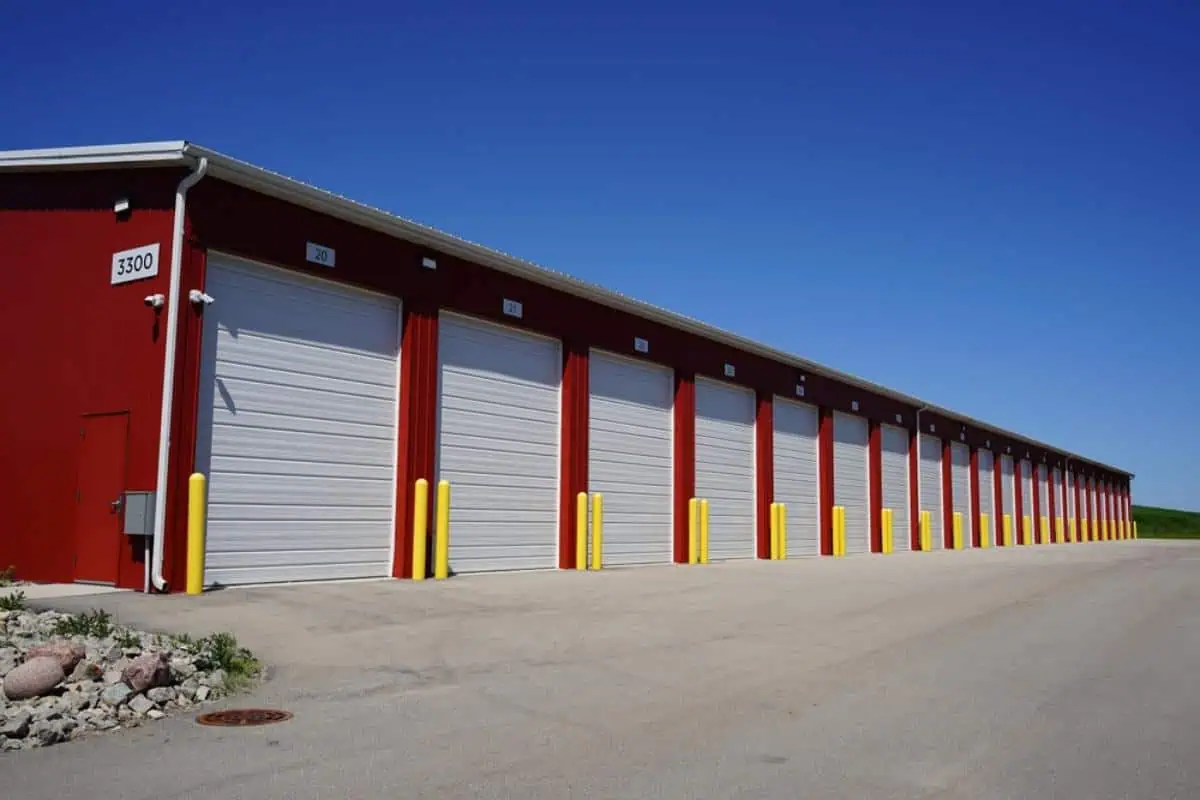
North Sea’s location along Little Peconic Bay and North Sea Harbor means elevated humidity levels year-round, with salt air adding a corrosive element that standard storage units simply aren’t built to block. Long Island summers regularly push past 90°F with high relative humidity, and winters drop well below freezing. A standard storage unit essentially an uninsulated metal structure exposes your belongings to those full swings. Wood furniture warps and cracks. Upholstery develops mold. Metal components on electronics and appliances corrode. These aren’t worst-case scenarios they’re predictable outcomes when sensitive items are stored in an unregulated environment near the water.
Climate-controlled storage regulates both temperature and humidity continuously, which is what actually prevents that damage. For homes in North Sea where furnishings, art, and heirlooms reflect significant personal and financial investment, it’s not an upgrade it’s the minimum standard that makes sense given the environment. The cost difference between standard and climate-controlled storage is a fraction of what it costs to repair or replace a piece of furniture or artwork that was damaged because it was stored in the wrong conditions.
Month-to-month storage means exactly what it sounds like you pay for the time you actually use, and you stop when your situation resolves. There’s no six-month minimum, no contract locking you in, and no penalty for ending storage early. You give notice when you’re ready for delivery, and the process moves from there.
This matters in North Sea specifically because the situations that create storage needs here are rarely on a predictable timeline. Renovation projects in the Hamptons regularly run longer than planned permit approvals from the Town of Southampton take time, contractor schedules shift, and the scope of estate-scale work often expands mid-project. Real estate closings in an active market can be delayed by financing, inspections, or title issues. Seasonal home transitions don’t always follow the same calendar year to year. A storage arrangement that penalizes you for those realities is the wrong arrangement. Month-to-month terms mean your storage adapts to your timeline, not the other way around.
Using a single company for both moving and storage is actually the lower-risk option, not the higher one. When you hire a mover and a separate storage facility, you have two contracts, two sets of liability terms, and a gap in accountability that happens the moment your belongings transfer from one party to the other. If something arrives at the storage facility in worse condition than it left your home, you’re dealing with two companies pointing at each other.
When one company handles the entire chain packing, loading, transport, storage, and delivery there’s one point of contact and one party responsible for the condition of your belongings from start to finish. The crew that wrapped your dining table is the same crew that loaded it, stored it, and will deliver it. That continuity of accountability matters when you’re dealing with high-value items, and it eliminates the coordination burden of managing two separate vendor relationships during an already stressful transition.
For most moves in North Sea, booking four to six weeks in advance is a reasonable baseline. If your move falls between May and August which is peak season for both moving activity and Hamptons-area renovation completions booking earlier is strongly advisable. Summer is the busiest period on the South Fork, and moving companies with real local experience and climate-controlled storage capacity fill their schedules quickly during that window.
If you’re working around a renovation timeline or a real estate closing, the earlier you establish a storage arrangement, the more flexibility you have when those timelines shift and they often do. It’s easier to extend a storage period than to scramble for availability when a project runs long. For seasonal home transitions in North Sea, many homeowners coordinate their fall closing and spring opening logistics well in advance, particularly if they’re storing furniture or valuables that can’t safely remain in an unheated home through a Long Island winter.
Long-term storage in a properly managed climate-controlled facility is safe for the vast majority of household items, including furniture, electronics, clothing, artwork, and most antiques. The key word is “properly managed.” Items stored in a climate-controlled environment with regulated temperature and humidity don’t experience the seasonal stress cycles freeze, thaw, humidity spike, dry out that cause damage in unregulated storage.
For renovations in North Sea that stretch across multiple seasons, which is common given the complexity of estate-scale projects and the permit timelines involved with the Town of Southampton, climate-controlled storage is the right choice for anything sensitive. Wood furniture, in particular, is vulnerable to humidity fluctuations repeated expansion and contraction cycles cause warping, cracking, and joint failure over time. Electronics and documents are similarly vulnerable to moisture. If your renovation is going to run through a Long Island winter and into the following spring, you want storage that handles those conditions, not a unit that just sits open to whatever the season brings.
Yes. Specialty items require a different level of preparation and handling than standard household goods, and our crews are trained and experienced in that work. Antiques and original artwork need proper wrapping materials, padding, and positioning in the truck to prevent shifting and contact damage. Pianos require specific disassembly, padding, and equipment to move safely without damaging the instrument or the floors and doorways of your home. Custom outdoor furniture common in North Sea properties the kind built for estate-scale spaces often requires disassembly and careful packing before it can be stored or transported.
The same crew handles your specialty items throughout the entire process from your home to the truck to climate-controlled storage to final delivery. There’s no point where those items are handed off to a warehouse worker who doesn’t know what they’re dealing with. In a community where homes regularly contain pieces that are irreplaceable either financially or personally that continuity of care from the same professional team isn’t a bonus feature. It’s how the job should be done.
Other Services we provide in North Sea