

Hear from Our Customers

Most people don’t realize how much friction comes from splitting a move across two vendors. You pack, we load, someone else stores it, and suddenly your grandmother’s dresser is someone else’s liability the moment it leaves your driveway. When the same team handles your move and your storage from start to finish, that gap disappears entirely.
Port Jefferson’s proximity to the harbor is one of the things that makes it such a desirable place to live and one of the reasons non-climate-controlled storage is a genuine risk here. The salt air off Port Jefferson Harbor pushes humidity into the mid-70s in summer, and that moisture gets into wood furniture, leather, electronics, and fabric in ways you won’t notice until the damage is already done. Climate-controlled storage isn’t an upgrade in this environment it’s the baseline.
The housing stock here adds another layer. Lower Port Jefferson in particular has older homes some Victorian-era with steep staircases, narrow hallways, and original hardwood floors that take damage easily. Moving furniture out of a historic North Shore home takes more care than clearing a ranch house in a newer development. When our movers have 40-plus years working these streets, that experience shows up in the details.
We’ve been based in Stony Brook since 1982 which puts us about six miles west of Port Jefferson on Route 25A, the same road that runs straight through the village’s Main Street. We’re not a national franchise routing a truck from a regional hub. We’re a neighbor who has spent four decades moving families across Suffolk County’s North Shore, including Port Jefferson and the surrounding communities.
That matters more in Port Jefferson than it might elsewhere. This isn’t a town where every street is the same grid. The difference between navigating a moving truck through Lower Port Jefferson near the waterfront versus Upper Port Jefferson’s residential blocks isn’t something you learn from a GPS. It’s something you learn from doing it.
We’re fully licensed, insured, and USDOT registered. Customers on Yelp, Google, and Angi have consistently noted one thing above everything else: the estimate we gave them matched the final invoice. That’s not an accident it’s how we operate.

It starts with a flat-rate estimate. You tell us what you have, where it’s going, and how long you might need storage and we give you a number that doesn’t change on moving day. No cubic footage games, no last-minute fuel surcharges. What we quote is what you pay.
On move day, our crew handles the packing, loading, and transport. If you’re moving out of one of Port Jefferson’s older homes near the harbor, we come prepared the right equipment for narrow staircases, protective materials for original hardwood floors, and enough experience with this village’s street layout to plan the truck placement before we arrive. Summer tourist traffic near the ferry terminal, ferry arrival timing, parking constraints on the village’s narrower blocks these are things we factor in, not discover on the fly.
From there, your belongings go into climate-controlled storage at our Stony Brook facility. You’re on a month-to-month arrangement, so when your new home is ready whether that’s three weeks or four months later we retrieve everything and deliver it. No long-term contract to outlast your actual situation. The same team that packed your home is the one that brings it back.
Ready to get started?
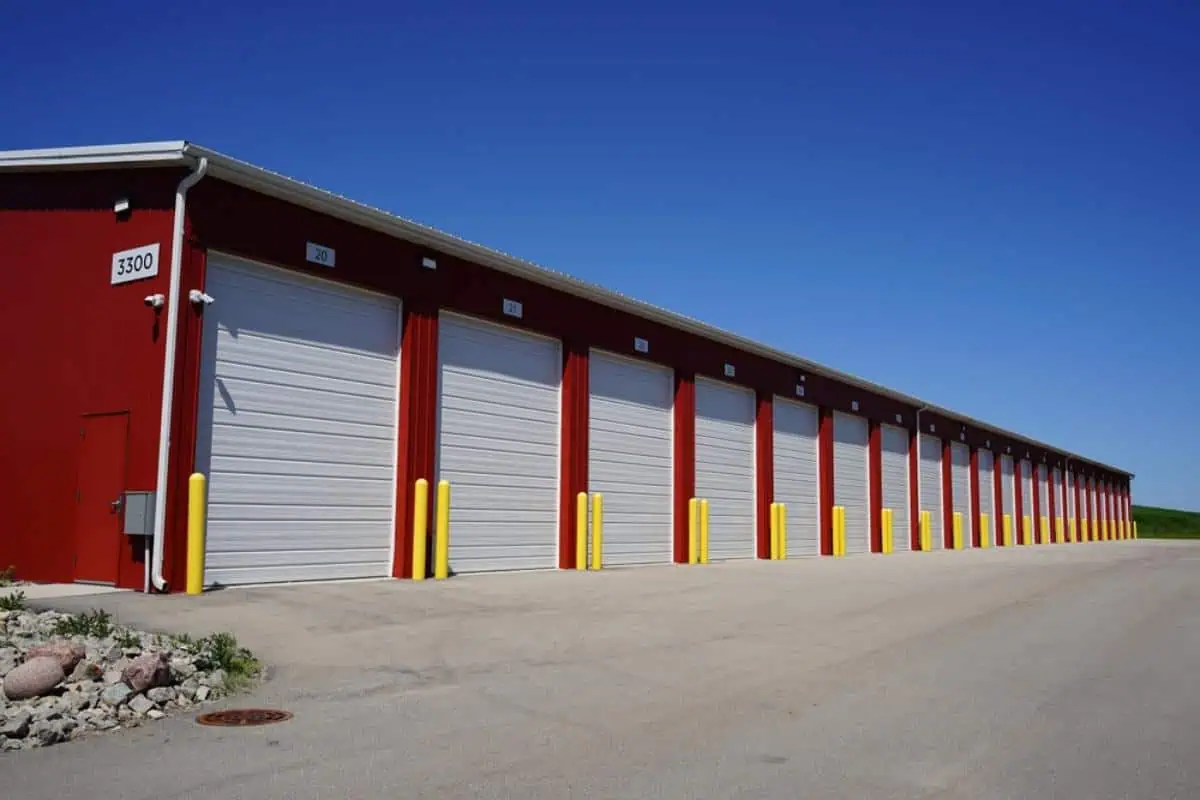
Port Jefferson homes at the current median price point over $700,000 and climbing contain furniture, artwork, antiques, and personal property that deserve more than a metal shed a mile from the water. Our climate-controlled storage units maintain consistent temperature and humidity year-round, which means your belongings are protected whether you’re storing through a humid July or a cold, damp February off the harbor.
Beyond storage, our moving and storage services in Port Jefferson cover the full scope of what most homeowners actually need: professional packing with proper materials, careful disassembly and reassembly of furniture, and coordinated delivery once your timeline clears. If you’re a healthcare professional at Mather Hospital or St. Charles transitioning between positions, a homeowner staging before listing, or a family navigating a renovation in an older North Shore home, the service adapts to your situation not the other way around.
One thing worth knowing: Port Jefferson’s real estate market has been moving quickly, with homes selling in around 33 days on average. That pace creates closing gaps and timeline pressure that catch a lot of buyers and sellers off guard. Month-to-month storage means you’re not locked into a contract that outlasts your actual need you stop paying when your situation resolves.

No we offer month-to-month storage, which is specifically designed for situations where the timeline isn’t fixed. Port Jefferson’s real estate market has been competitive, with homes moving in around 33 days on average and prices up significantly year-over-year. That speed creates real closing gaps: your sale closes before your next home is ready, or your renovation runs longer than expected. A six-month storage contract doesn’t make sense when your situation could resolve in six weeks.
Month-to-month means you’re in control. You pay for the time you actually use, and when you’re ready for delivery, we coordinate it. There’s no penalty for wrapping up early and no pressure to commit to a timeline you can’t predict yet.
Port Jefferson sits directly on a harbor off Long Island Sound, and the local climate reflects that. Relative humidity in the village averages in the mid-70s during summer, and the salt air off the harbor accelerates damage to wood furniture, leather upholstery, metal hardware, and electronics in ways that inland Suffolk County towns simply don’t experience at the same level. If you’re storing high-value belongings antique furniture, artwork, quality upholstered pieces non-climate-controlled storage near the water is a real risk, not a theoretical one.
Our climate-controlled units maintain consistent temperature and humidity regardless of the season. That matters in summer when harbor moisture peaks, and it matters just as much in winter when cold, damp air off the water can crack leather, warp wood, and damage anything sensitive to temperature swings.
This is one of the more practical questions people don’t always think to ask until moving day. Lower Port Jefferson in particular has streets that weren’t designed with a 26-foot moving truck in mind narrow lanes, limited turning radius in some areas, and active tourist and ferry traffic that peaks in summer. We factor all of that in before we arrive, not after.
Our team knows the difference between staging a truck on a residential block in Upper Port Jefferson versus coordinating a move near the waterfront during peak season. We plan the route, the parking approach, and the timing around what’s actually happening in the village that day including ferry arrival schedules if the job is near the terminal area. That kind of preparation is the difference between a smooth move and a frustrating one.
Yes. The Bridgeport and Port Jefferson Ferry has been running between the village and Connecticut since 1883, and it’s a genuine relocation corridor not just a tourist route. Residents moving between Long Island and Connecticut, or relocating from New England to Port Jefferson, sometimes incorporate the ferry into their moving logistics. We’re familiar with how that works and can coordinate around ferry schedules and terminal access as part of the overall move plan.
If your move involves cross-Sound logistics, the key is planning the timing carefully. Ferry crossings run on a schedule, and coordinating a moving truck’s arrival with a ferry departure requires the kind of local knowledge that only comes from actually working in this village. That’s not something a company dispatching from outside the area can offer the same way we can as a North Shore-based mover.
The honest answer depends on your situation, but here’s a useful way to think about it. Anything you won’t need immediate access to in your new home seasonal furniture, extra bedroom sets, items you’re not sure about yet is a good candidate for storage. Anything you’ll need right away should move directly. For Port Jefferson homeowners going through a renovation, the answer is often “everything in the affected rooms goes to storage until the work is done.”
For homes near the harbor, we’d also factor in the value and sensitivity of what you’re storing. High-end furniture, antiques, electronics, and artwork are better off in climate-controlled storage than in a garage or basement while your renovation runs. The harbor humidity is real, and the cost of damaged belongings far outweighs the cost of proper storage.
Yes. Belle Terre is an incorporated village directly adjacent to Port Jefferson a private residential community on a peninsula extending into Long Island Sound and its residents are in the Port Jefferson school district and regularly use Port Jefferson-area services. We serve Belle Terre the same way we serve the village itself, and the same considerations apply: older or high-value homes, proximity to the water, and the kind of careful handling that a property at this price point requires.
Beyond Belle Terre, we regularly serve Port Jefferson Station, Mount Sinai, and the broader North Shore communities along Route 25A. If you’re in the Port Jefferson area and need moving and storage services handled by a team that actually knows this part of Suffolk County, we’re six miles down the road in Stony Brook and we’ve been doing this here since 1982.
Other Services we provide in Port Jefferson