Summary:
You’ve rented a storage unit, and now you’re staring at a pile of boxes wondering how to fit everything in without creating a disaster you’ll regret later. Maybe your closing date got pushed back, your renovation is taking longer than expected, or you’re downsizing and need time to figure out what stays. Whatever brought you here, the last thing you want is to spend an hour unpacking half your unit every time you need one item.
The difference between a storage unit that works for you and one that becomes a frustrating mess comes down to how you pack it from the start. You don’t need a color-coded system or a degree in logistics. You need a few smart strategies that keep your belongings accessible, protected, and organized enough that you can actually use the space without losing your mind. Here’s how to pack your storage unit so it stays functional the entire time you’re using it.
How to Organize a Storage Unit Layout Before You Start Packing
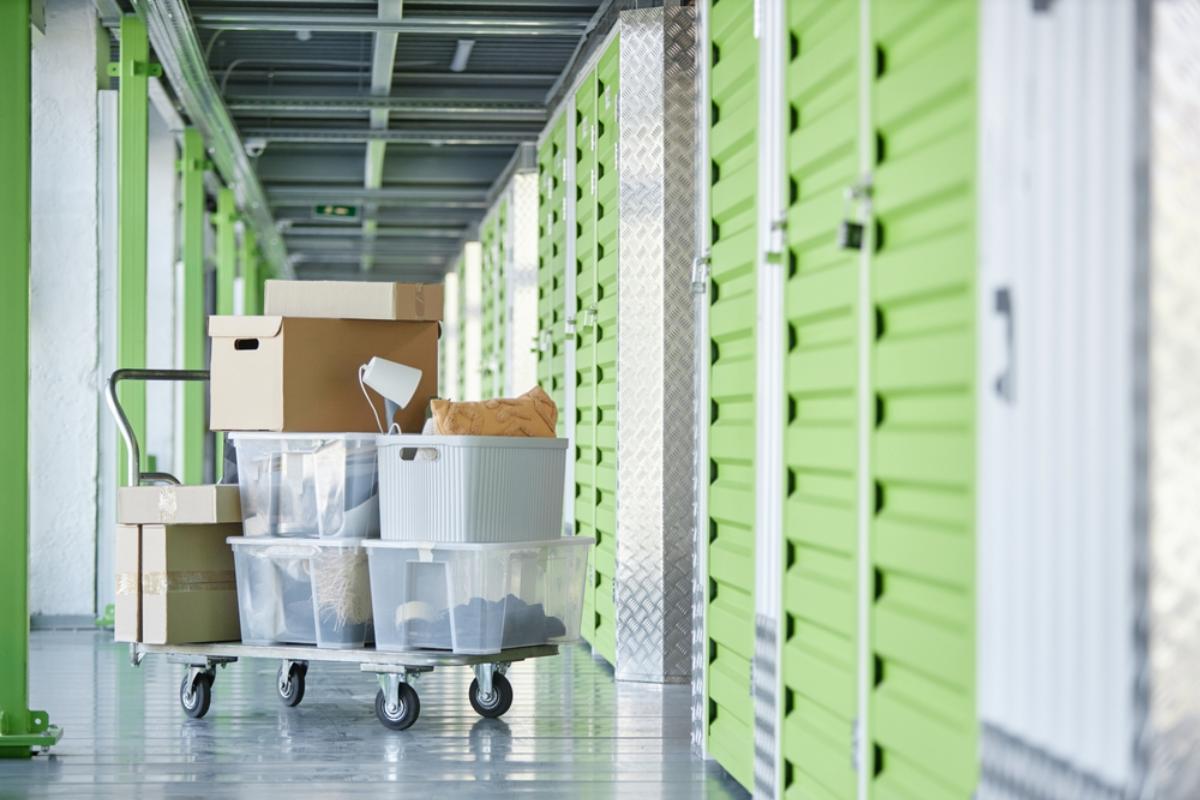
Most people pack storage units by showing up with a truck full of stuff and cramming it in wherever it fits. That approach guarantees you’ll be moving furniture and restacking boxes every time you need something.
Start with a plan instead. Walk through your empty unit and think about zones. Frequently accessed items go near the door. Long-term storage items can go toward the back or sides. Leave a center aisle wide enough to walk through—even just two feet makes a massive difference when you’re trying to reach something six months from now.
Measure your larger furniture pieces and mentally map where they’ll go before you start loading. Tall items like bookshelves and mattresses work well along the back wall. Heavier furniture creates a stable base for stacking boxes. The goal is creating a layout that doesn’t require you to dismantle everything just to grab one box.
Why You Should Create a Center Aisle in Your Storage Unit
The single most useful thing you can do when packing a storage unit is leave a walkway down the middle. It feels wasteful at first—you’re paying for square footage and intentionally not using some of it. But that narrow path saves you hours of frustration over the life of your rental.
Without an aisle, everything becomes inaccessible the moment you fill the unit. You’ll need to unload the front half just to reach something in the back, then repack it all when you’re done. That gets old fast, especially if you’re visiting your storage facility more than once or twice.
A center aisle doesn’t need to be huge. Eighteen to twenty-four inches gives you enough room to walk through and reach items on either side. You can stack boxes along the walls and still maintain clear access to everything. This matters even more if you’re storing items during a Long Island renovation or move where you might need to retrieve things on short notice.
Think about what you’ll actually need to access while your belongings are in storage. Seasonal clothes, work equipment, important documents, or items for an upcoming event shouldn’t be buried under a mountain of boxes. Place those things along your aisle where you can grab them without moving anything else. Everything you won’t touch for months can go deeper into the unit or higher up in your stacks.
The aisle also gives you room to maneuver when you’re loading or unloading larger items. Trying to navigate a completely packed unit with a couch or dresser is a good way to damage your belongings or hurt yourself. That extra space isn’t wasted—it’s the difference between a storage unit that works and one that makes you dread every visit.
What Items Should Go in the Front of Your Storage Unit
Not everything you store has the same priority. Some items you’ll need regularly. Others you won’t touch until you move out. Packing with access in mind means thinking through what actually needs to stay within reach.
Start by making a list before you pack. What are you likely to need in the next few months? Seasonal items like winter coats or holiday decorations have predictable retrieval dates. Work tools, sports equipment, or hobby supplies might come out more frequently. Important documents or files you reference occasionally should be easy to locate. These items belong near the front of your unit or along your center aisle.
Long-term storage items can go toward the back. Furniture you’re holding onto for a future home, boxes of keepsakes you won’t open for years, or appliances you’re storing between moves don’t need to be accessible on short notice. Stack these items deeper in the unit or use them as a base for other boxes.
This approach requires some honesty about your actual habits. People often think they’ll access stored items more frequently than they actually do. If you haven’t touched something in six months and have no specific reason to retrieve it soon, it probably belongs in the back. Items you know you’ll need within the next month or two should stay accessible.
For Long Island residents dealing with storage during a move or renovation, access patterns matter even more. You might need to grab work clothes, kitchen essentials, or kids’ items while the rest of your belongings stay put. Packing those high-priority items near the front eliminates the hassle of digging through everything else. The goal is making your storage unit work with your life, not against it.
How to Maximize Vertical Space in a Storage Unit
Most storage units are eight to ten feet tall. Most people only use the bottom four feet. That’s a lot of wasted space you’re paying for.
Stacking boxes and using the full height of your unit can nearly double your usable storage capacity. The trick is doing it safely so your stacks don’t collapse or damage what’s inside. Heavy items always go on the bottom. Lighter boxes stack on top. Uniform box sizes make stacking easier and more stable than mixing random sizes.
Shelving units are worth considering if you’re storing items for more than a few months. Freestanding metal or plastic shelves let you organize smaller boxes and items vertically without creating precarious stacks. You can access items on shelves without moving everything, which matters when you need something specific.
Best Way to Stack Boxes in a Storage Facility
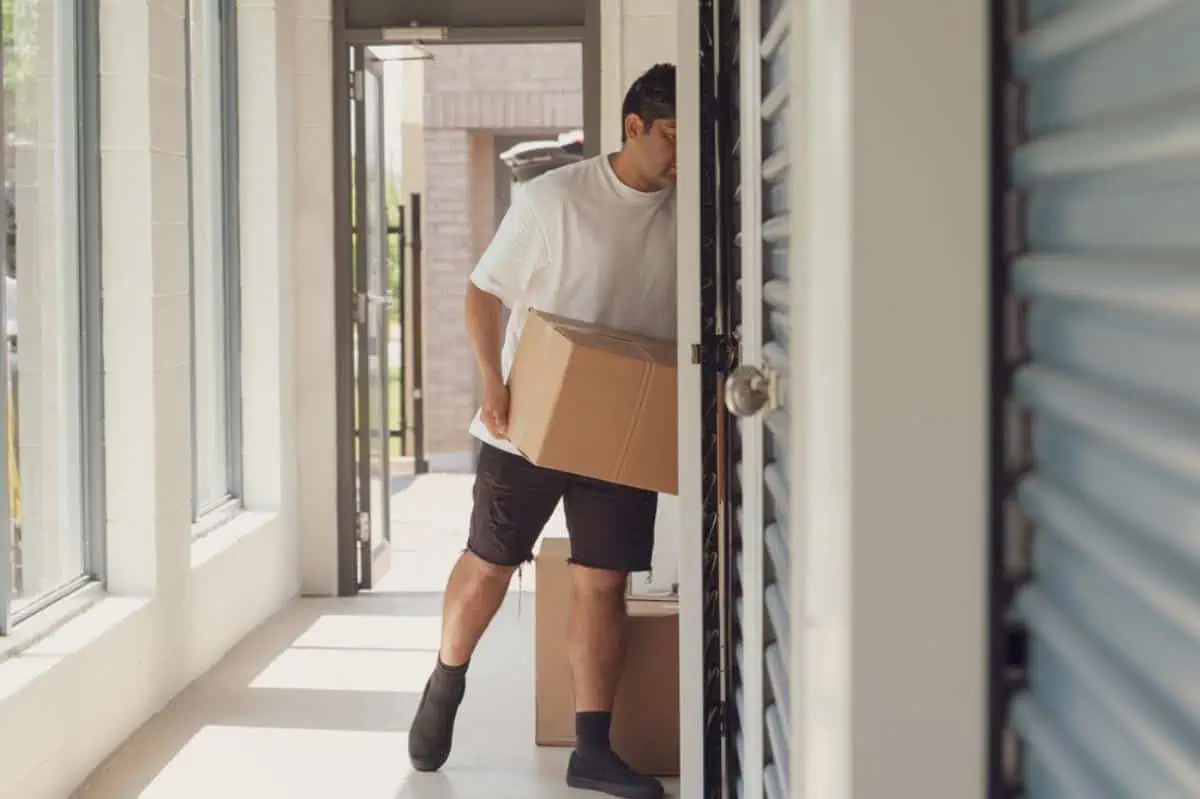
Stacking boxes seems straightforward until you open your unit six months later and find crushed containers and damaged belongings. The weight distribution and box quality matter more than most people realize.
Start with your heaviest, sturdiest boxes on the bottom. Books, tools, and dense items create a solid base but shouldn’t go in oversized boxes—they become too heavy to lift safely and the boxes can’t support the weight. Use smaller boxes for heavy items and larger boxes for lighter things like linens, pillows, or clothing.
Stack boxes in columns rather than pyramids. Columns are more stable and less likely to topple. Make sure each box sits fully on top of the one below it, not hanging over the edge. Boxes that aren’t properly supported will eventually collapse under the weight of what’s stacked above them.
Leave a small gap between your stacks and the walls of your storage unit. This improves airflow and prevents moisture from building up against your boxes, which matters in Long Island’s humid climate. Even a few inches of space help protect your belongings from mold and mildew, especially if you’re not using climate-controlled storage.
Don’t stack boxes more than five or six feet high unless you’re using shelving. Taller stacks become unstable and make it difficult to reach items on top without risking everything tumbling down. If you need to go higher, invest in a step stool and make sure your base is solid enough to support the weight.
Fragile items should never go on the bottom of a stack. Mark boxes containing breakables clearly and place them on top of heavier, more durable containers. Better yet, put fragile items on shelves where they won’t have any weight pressing down on them. The extra effort prevents damage and saves you from dealing with broken belongings when you unpack.
Should You Use Shelving in Your Storage Unit
Shelving transforms how you use vertical space in a storage unit. It’s not necessary for everyone, but if you’re storing items for more than a couple months or need regular access to specific boxes, shelves make everything easier.
Freestanding shelving units don’t require installation or permission from your storage facility. You can find metal or heavy-duty plastic shelves at any home improvement store. They’re stable enough to hold boxes and smaller items without taking up much floor space. The key benefit is accessibility—you can pull one box off a shelf without moving everything else.
Shelves work especially well for items you’ll access frequently. Seasonal decorations, work supplies, or boxes you reference regularly stay organized and easy to reach. You’re not digging through stacks or moving furniture every time you need something. That convenience adds up over time, particularly if you’re using storage during a Long Island renovation where you might need to retrieve items on short notice.
The investment in shelving pays off in how much more efficiently you can use your space. Instead of stacking boxes six feet high and hoping nothing collapses, you can organize items at different levels with clear visibility and access to each one. Smaller boxes and bins that would be awkward to stack work perfectly on shelves.
Not every storage situation needs shelving. If you’re storing furniture and large items for a short period and won’t be accessing anything until you move out, shelves might not be worth the effort. But for longer-term storage or situations where you need ongoing access to your belongings, shelving makes your storage unit function more like an extension of your home rather than a place where things go to be forgotten.
Making Your Storage Unit Work for You
Packing a storage unit doesn’t require perfection. It requires thinking ahead about how you’ll actually use the space. Create pathways so you can reach what you need. Use vertical space so you’re not wasting half your unit. Label boxes clearly so you’re not guessing six months from now. Put frequently accessed items where you can grab them without moving everything else.
These strategies aren’t complicated, but they make the difference between a storage unit that works and one that becomes a source of frustration every time you visit. Whether you’re storing belongings during a move, renovation, or transition, smart packing protects your items and keeps them accessible when you need them.
If you’re looking for storage solutions that include professional packing and coordination with your move, we handle both so you’re working with one team instead of juggling multiple companies. We’ve been helping Long Island residents with moving and storage for over 30 years, and we understand how to pack and protect your belongings so they stay in good condition and remain accessible throughout your storage period.