
Summary:
How to Plan a Local Move in Suffolk County
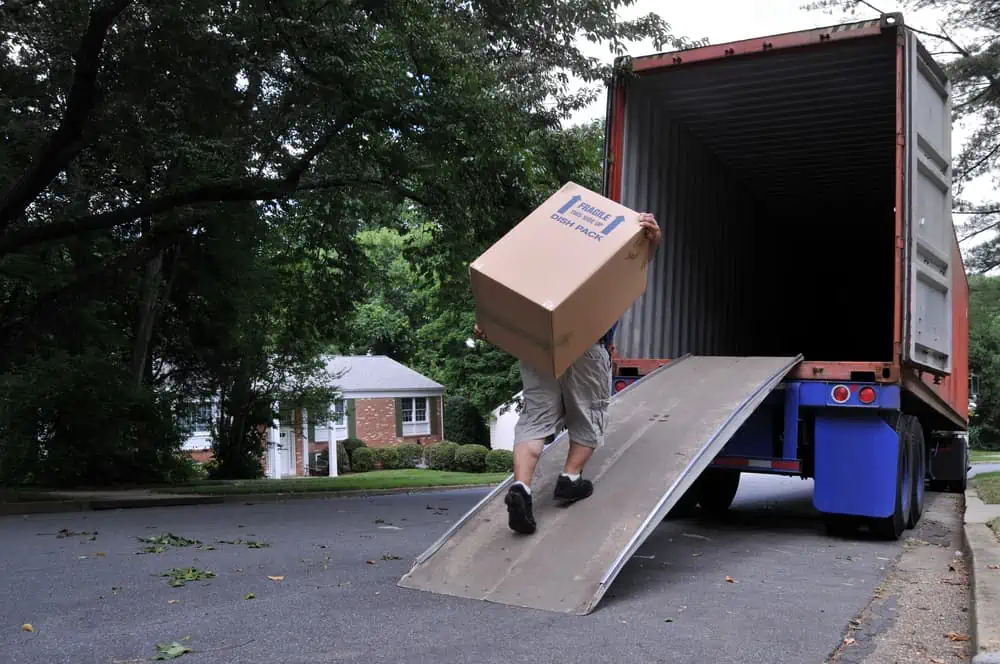
Planning matters more than you think, even when you’re staying local. The difference between a smooth move and a stressful one usually comes down to how early you start and how much you map out in advance.
Start at least six to eight weeks before your move date. That gives you time to sort through what you actually want to bring, schedule movers during your preferred window, and avoid the last-minute scramble that leads to mistakes. If you’re moving during peak season—April through October—you’ll want even more lead time since professional movers on Long Island get booked quickly.
Create a simple timeline. Write down your move date, then work backward to figure out when you need to handle each task: booking movers, gathering packing supplies, notifying utilities, and starting to pack non-essentials. You don’t need a complex system. Just a clear view of what needs to happen and when.
What to Do 6-8 Weeks Before Your Local Move
Two months out is when you set the foundation. This is when you make the decisions that determine whether your move stays on track or turns into a fire drill.
First, book your movers. If you’re hiring professionals, don’t wait. Good movers in Suffolk County fill their calendars fast, especially on weekends and at the end of the month when most leases turn over. Call early, get a clear quote, and lock in your date. If you’re doing it yourself, reserve your truck now—rental availability gets tight during moving season.
Next, start decluttering. Go room by room and decide what’s actually coming with you. Moving everything you own is expensive and exhausting. The less you move, the less you pay and the faster you unpack. Donate what you don’t need, sell what has value, and toss what’s broken or worn out. This is also when you should measure doorways and stairwells at your new place to make sure your furniture will actually fit.
Then, gather your packing supplies. You’ll need more boxes than you think—small ones for heavy items like books, medium ones for most household goods, and large ones for lightweight bulky items like linens. Stock up on packing tape, bubble wrap, and markers for labeling. You can buy boxes or grab free ones from local stores, but either way, have them ready before you start packing.
Finally, notify everyone who needs to know. Update your address with the post office, banks, insurance companies, and subscription services. Schedule utility shutoffs at your old place and turn-ons at your new one. If you have kids in school, start the transfer process. Handle the paperwork now so it’s not hanging over you later.
Creating a Local Moving Checklist That Actually Works
A moving checklist isn’t about making a list for the sake of having a list. It’s about having a system that keeps you from forgetting something important when you’re tired, distracted, and running out of time.
Break your checklist into phases: eight weeks out, four weeks out, two weeks out, one week out, moving day, and post-move. Under each phase, list the specific tasks you need to complete. Be realistic about how long things take. Packing a kitchen takes longer than packing a bedroom. Disassembling furniture takes longer than you think. Build in buffer time.
Use your checklist to track what you’ve packed and where it’s going. As you fill each box, write down what’s inside and what room it belongs in at your new place. Number your boxes and keep a master list. It sounds tedious, but it’s the difference between finding what you need on day one and spending a week digging through unmarked boxes.
Your checklist should also include a “first night” section. Pack a separate box with everything you’ll need immediately: toiletries, a change of clothes, phone chargers, important documents, basic kitchen items, and anything else you can’t go without. Label it clearly and load it last so it’s the first thing off the truck. You’ll thank yourself when you’re not searching for your toothbrush at midnight.
Don’t forget the small stuff that’s easy to overlook. Return library books. Pick up dry cleaning. Defrost the freezer. Cancel or transfer services like lawn care or pest control. Confirm your moving day logistics with your movers or helpers. These details don’t take long individually, but they add up if you leave them all for the last minute.
Packing Strategies for a Local Move
Packing for a local move is different from packing for a long-distance move. You’re not shipping your stuff across the country, so you might think you can cut corners. Don’t.
Even a short trip in a truck can damage poorly packed items. Boxes shift. Things slide. Fragile items break if they’re not protected. Pack like your belongings are traveling farther than they are. Wrap breakables in bubble wrap or packing paper. Fill empty spaces in boxes so contents don’t move around. Use sturdy boxes that won’t collapse under weight.
Start packing early, but not too early. Begin with things you don’t use daily—off-season clothes, books, decor, extra linens. Save everyday essentials for the final week. If you pack your coffee maker six weeks before your move, you’re going to regret it.
Room-by-Room Packing Tips for Local Moves

Pack one room at a time. It keeps you organized and makes unpacking easier because you’re not mixing kitchen stuff with bedroom stuff in the same box.
Start with the rooms you use least—guest rooms, storage areas, garages. Work your way toward the spaces you use every day. Pack similar items together. All your kitchen utensils in one box. All your bathroom products in another. Keep sets together—don’t split up your dish set across three different boxes.
Label everything clearly. Write the room name on the box and a brief description of contents. “Kitchen – pots and pans” is more helpful than just “kitchen.” Use a marker that won’t smudge. If you’re really organized, use color-coded labels or tape—one color per room. It makes it obvious at a glance where each box belongs.
For the kitchen, wrap dishes individually and stack them vertically in boxes, like records. They’re less likely to break that way. Pack heavy items like canned goods in small boxes so they’re not too heavy to lift. Empty liquids or seal them in plastic bags—nothing ruins a move faster than a shampoo bottle leaking all over your towels.
In bedrooms, leave clothes on hangers and use wardrobe boxes if you have them. For dressers, you can often leave lightweight items in the drawers and just secure them with plastic wrap. Take photos of how electronics are connected before you unplug them. You’ll forget which cable goes where by the time you get to your new place.
Don’t pack hazardous materials—paint, cleaning chemicals, propane tanks. Most movers won’t transport them, and they’re dangerous in a moving truck anyway. Use them up, give them away, or dispose of them properly before moving day.
What Not to Pack When Moving Locally
Some things shouldn’t go in boxes, even for a local move. Valuables like jewelry, important documents, and cash should travel with you, not in the moving truck. Same with medications, laptops, and anything you can’t replace.
Plants can be tricky. Some moving companies won’t transport them, especially if you’re crossing state lines. Check with your movers first. If you’re taking plants, move them in your personal vehicle where you can control the temperature. Repot them in plastic containers a few days before the move so they’re easier to transport and less likely to break.
Perishable food isn’t worth moving. Use up what’s in your fridge and pantry in the weeks before your move, or donate unopened items to a food bank. Same with opened bottles of cleaning supplies—you’re better off starting fresh than trying to pack half-used containers that might leak.
Don’t pack items you haven’t used in years and don’t plan to use in your new place. Moving is the perfect time to let go of things that are just taking up space. If you haven’t touched it in a year, you probably don’t need it. Be honest with yourself about what’s actually adding value to your life and what’s just clutter you’re paying to move.
Sentimental items deserve special attention. If something is irreplaceable, pack it carefully and consider transporting it yourself. Don’t bury your grandmother’s china at the bottom of a box labeled “misc kitchen.” Give important items the protection and attention they deserve.
How Professional Movers Simplify Your Local Move
You can handle a local move yourself. Rent a truck, recruit some friends, load everything up, and drive it across town. Plenty of people do it that way.
But professional movers bring something you can’t replicate on your own: experience. We know how to pack a truck efficiently so nothing shifts. We have the equipment to move heavy furniture without damaging your walls or floors. We understand Long Island’s traffic patterns and can navigate Suffolk County’s narrow streets and tight parking situations. Most importantly, we’re insured—if something breaks, you’re covered.
The cost of hiring movers is often less than people expect, especially when you factor in truck rental, gas, equipment rental, and the time you’d spend doing it yourself. Get quotes from a few companies, ask about their experience with local moves, and make sure they’re licensed and insured. A good moving company will give you a clear estimate with no hidden fees and show up on time ready to work.
If you’re planning a local move in Suffolk County, we’ve been helping Long Island residents relocate for over 30 years. We know the area, we know the process, and we know how to make your move as straightforward as possible.