Summary:
Why Moving Heavy Furniture and Pianos Is More Dangerous Than You Think

Most people underestimate how risky it is to move heavy furniture on their own. It looks straightforward—grab a friend, lift on three, and shuffle toward the door. But the reality is far more complicated, especially when you’re dealing with items that weigh hundreds of pounds.
According to the National Safety Council, improper lifting techniques cause thousands of injuries every year, most of them back strains and muscle tears. When you add the awkward weight distribution of a piano or the top-heavy design of a tall dresser, those risks multiply. Herniated discs, crushed fingers, pulled ligaments, and falls are all common outcomes when people try to move heavy items without professional training or proper equipment.
Here’s the part most people don’t think about: if a 600-pound piano slips on a staircase, gravity takes over. There’s no catching it. Anyone below it is in serious danger, and the piano itself is likely destroyed. Even smaller furniture can cause significant injury if it tips, shifts, or falls during a move. And that’s before we talk about the damage to your home—scratched hardwood floors, dented walls, cracked door frames, and chipped tile are all expensive repairs that add up fast.
What Makes Piano Moving So Difficult Across Long Island
Pianos aren’t just heavy. They’re delicate, expensive, and structurally complex in ways that make them one of the hardest items to move. Inside every piano is a cast-iron plate that holds the tension of over 200 strings, each one tuned to precise specifications. The soundboard, hammers, and keys are all sensitive to jarring, bumps, and sudden shifts. One wrong move and you’re not just looking at cosmetic damage—you’re looking at internal mechanisms that may never work the same way again.
Upright pianos typically weigh between 300 and 500 pounds, but their center of gravity sits high, making them prone to tipping. Grand pianos are even more challenging. They can weigh over 1,000 pounds, and their shape makes them nearly impossible to maneuver through standard doorways without partial disassembly. The legs need to be removed, the lid secured, and the entire body transported on a specialized piano board with heavy-duty straps.
Even if you manage to move a piano without dropping it, there’s still the issue of tuning. Pianos are made primarily of wood and metal, both of which expand and contract with temperature and humidity changes. The vibration and jostling of a move—even a careful one—will knock it out of tune. That’s expected. But rough handling can cause far worse problems: cracked soundboards, broken strings, misaligned hammers, or damaged pedals. Repairs for these issues can easily run into the thousands, and some damage is irreversible.
And then there’s the human cost. A surprising 62% of DIY piano moves end up causing damage, and that’s just the instrument. People get hurt too. Backs go out. Fingers get crushed between the piano and a doorframe. Someone loses their footing on the stairs. Professional piano movers use specialized dollies, ramps, lifting straps, and techniques developed specifically for these instruments. We know how to distribute weight, navigate tight corners in Huntington or Smithtown homes, and protect both the piano and the people moving it. That expertise isn’t something you can replicate with a YouTube video and a couple of friends.
The Hidden Risks of DIY Heavy Furniture Moving Without Professional Help
Let’s say you’ve decided to move that solid oak dresser yourself. You’ve got a couple of friends coming over, and you figure between the three of you, it’ll be manageable. But here’s what most people don’t account for: weight distribution, grip points, and the physics of moving something heavy through a space that wasn’t designed for it.
Heavy furniture isn’t just about raw weight. A 300-pound dresser has most of its weight at the top, where the drawers are. If you tilt it wrong, it wants to tip forward. A sectional sofa is long, awkward, and has no good place to grip. Bookshelves are tall and want to lean. Appliances like refrigerators have compressors that can be damaged if tilted too far. Every piece of furniture has its own challenges, and without the right equipment, you’re setting yourself up for problems.
Furniture sliders help, but only on flat, smooth surfaces. Dollies work, but not on stairs, and not if the item is too tall or unstable. Lifting straps distribute weight better than your hands alone, but they require coordination and proper technique. Most people don’t have this equipment sitting around, and even if they rent it, they don’t know how to use it correctly.
Then there’s your home itself. Doorways on Long Island, especially in older homes throughout Nassau and Suffolk counties, are narrower than you think. Staircases have tight turns. Hallways have low ceilings. Even if you measure ahead of time, there’s a difference between knowing something will technically fit and actually maneuvering a 400-pound object through that space without scraping the walls, denting the baseboards, or cracking the plaster. One bump can leave a mark that costs hundreds to repair.
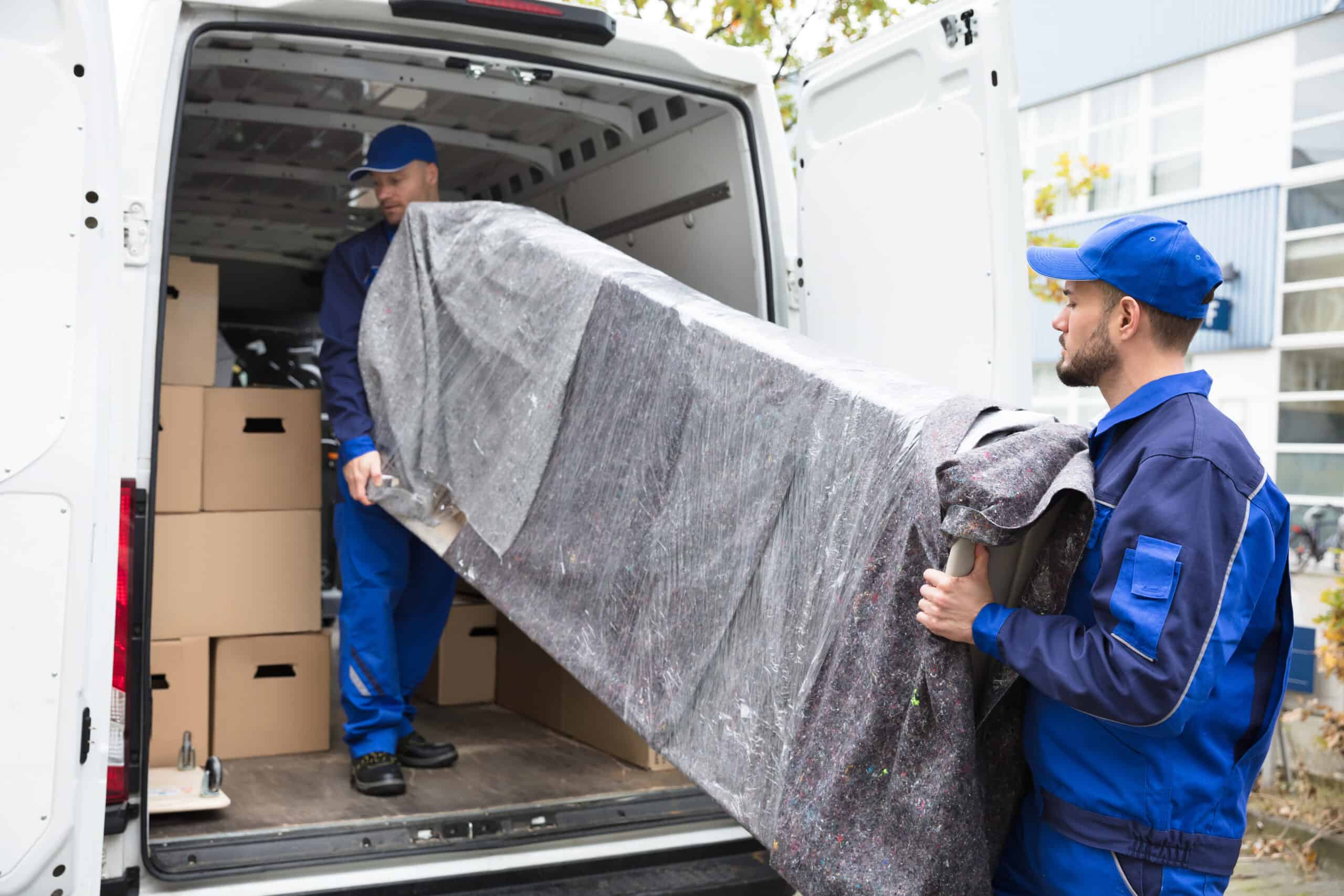
And here’s the thing: even if you make it through the move without injury or property damage, there’s still the question of whether your furniture survived. Scratches, dents, broken legs, cracked wood, and damaged upholstery are all common outcomes of DIY moves. Professional movers use thick quilted blankets, corner protectors, shrink wrap, and padding specifically designed to prevent this kind of damage. We know how to wrap, lift, and transport furniture so it arrives in the same condition it left. That’s not something you can improvise with old bedsheets and duct tape.
What Professional Movers Do Differently When Moving Heavy Items
There’s a reason professional moving companies exist, and it’s not just because people don’t want to do the work themselves. It’s because moving heavy furniture and pianos safely requires specialized knowledge, equipment, and experience that most people simply don’t have.
Professional movers don’t just show up with a truck and some muscle. We bring piano dollies, furniture dollies, heavy-duty lifting straps, ramps, blankets, shrink wrap, and tools for disassembly. We know how to assess a space, plan a route, and execute a move efficiently without damaging your belongings or your home. We’ve done this hundreds or thousands of times across Long Island, and we know what works.
More importantly, we know what can go wrong. We know that a piano needs to be wrapped and secured before it ever leaves the room. We know that tall dressers need to be tilted at a specific angle to fit through doorways. We know how to navigate staircases, protect floors, and manage tight corners. This isn’t guesswork—it’s skill built over years of hands-on experience in communities like Stony Brook, Babylon, Islip, and beyond.
The Specialized Moving Equipment That Makes Heavy Lifting Safer
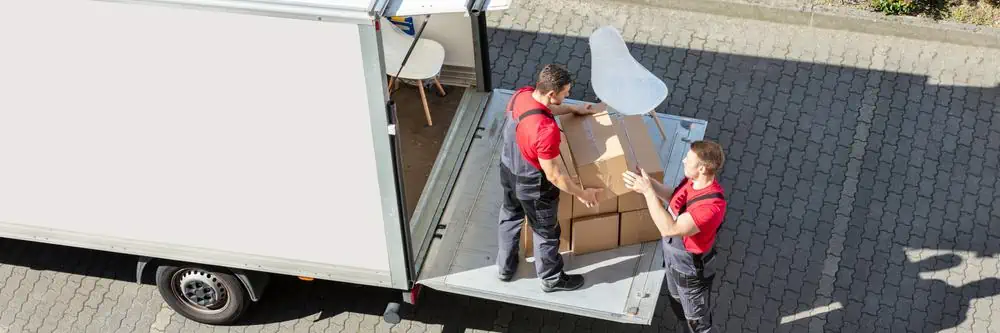
Walk into a professional moving truck and you’ll see equipment most people have never encountered. Piano boards—flat, padded platforms with heavy-duty straps designed specifically for grand pianos. Four-wheel furniture dollies that can support 1,000 pounds or more. Shoulder dollies and lifting straps that distribute weight across your body’s strongest muscle groups. Ramps for loading items into trucks without lifting them. Thick, quilted moving blankets that protect furniture from scratches and impacts. Corner guards and edge protectors. Shrink wrap and heavy-duty tape. Tools for disassembling and reassembling furniture.
This equipment isn’t optional. It’s essential. A piano moved without a proper dolly and straps is a disaster waiting to happen. A heavy dresser carried by hand instead of on a dolly puts unnecessary strain on your back and increases the risk of dropping it. Furniture moved without blankets and padding will get scratched, dented, and damaged. Professional movers invest in this equipment because it works, and because it’s the only way to do the job safely and correctly.
But equipment alone isn’t enough. You also need to know how to use it. A dolly doesn’t do you any good if you don’t know how to balance the load, secure the straps, or navigate it down a flight of stairs. Lifting straps require coordination between two people and proper body mechanics. Ramps need to be positioned correctly and secured so they don’t shift under the weight of a piano. This is where experience comes in. Professional movers have used this equipment thousands of times. We know the tricks, the techniques, and the safety protocols that keep everyone and everything protected.
And then there’s the truck itself. Professional moving trucks have tie-down points, padded walls, and loading ramps. They’re designed to transport heavy items securely without shifting during transit. Your friend’s pickup truck? Not so much. Even if you manage to load a piano or heavy dresser into a consumer vehicle, there’s no way to secure it properly, and every bump in the road increases the risk of damage. Professional moving companies also carry insurance and licensing, which protects you if something does go wrong—coverage you won’t have with a DIY approach.
How Long Island's Geography Creates Unique Moving Challenges
Moving heavy furniture and pianos across Long Island comes with challenges you won’t find in other parts of the country. The geography matters. Limited access points mean you’re dealing with bridges, tunnels, and tolls. Traffic on the Long Island Expressway can turn a 30-minute drive into a two-hour ordeal, especially during summer months when everyone’s moving. Ferry routes add complexity if you’re dealing with certain coastal areas. And if you’re moving within Suffolk County, you’re navigating 13 towns and 95 villages, each with its own quirks.
Older homes in towns like Huntington, Smithtown, and Stony Brook often have narrow doorways, steep staircases, and tight hallways that weren’t designed with modern furniture in mind. Newer developments might have elevators, but they come with building restrictions, reserved move times, and requirements for padding and protection. Coastal areas deal with humidity and salt air, which can affect how pianos and wood furniture respond to the move. And if you’re moving during peak season—May through September—you’re competing with everyone else trying to relocate between school years.
Professional movers who know Long Island understand these challenges. We know which routes to avoid during rush hour. We know how to navigate narrow streets in older neighborhoods. We know the building requirements for high-rises and condo complexes. We know how to protect furniture from the humidity near the water. This local expertise isn’t something you can Google. It comes from years of working in the area and learning the landscape.
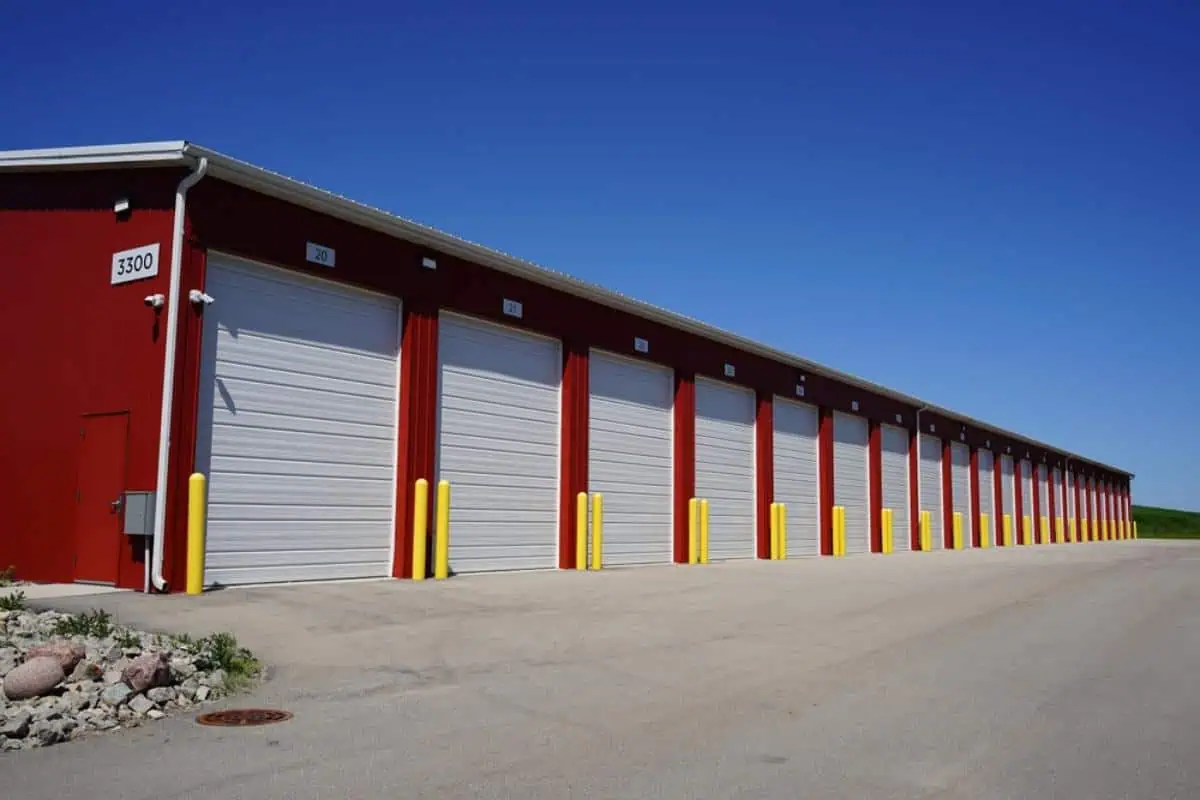
And here’s something most people don’t think about: parking. In many Long Island neighborhoods, especially in Nassau County and the more densely populated parts of Suffolk County, parking a moving truck requires coordination, permits, or at minimum, a plan. Professional movers handle this as part of the service. We know where we can park, how long we can stay, and how to work efficiently within those constraints. If you’re doing it yourself, you’re figuring all of this out on the fly, which adds stress and eats up time. Some moving companies even offer storage solutions if your timing doesn’t line up perfectly, or junk removal services to clear out items you don’t want to take with you—services that make the entire process smoother.
Making the Right Moving Decision for Your Long Island Home
Moving heavy furniture and pianos isn’t impossible to do yourself, but it’s risky. You’re putting your body, your belongings, and your home at risk every time you try to lift something that weighs hundreds of pounds without the right equipment or training. The question isn’t whether you’re strong enough—it’s whether the potential cost of injury, damage, or repairs is worth the money you’d save by not hiring professionals.
Professional movers bring experience, equipment, and insurance. We know how to handle pianos, heavy dressers, sectionals, and other challenging items safely. We understand Long Island’s geography, traffic patterns, and building requirements. And if something does go wrong, we’re covered. You’re not.
If you’re planning a move across Suffolk County, Nassau County, or anywhere on Long Island, consider what you’re really taking on. Dunbar Moving has been helping Long Island families move safely for over 30 years, with the local knowledge and specialized equipment needed to handle even the heaviest, most delicate items. Sometimes the smartest move is letting someone else do the heavy lifting.