
Summary:
You’ve rented a storage unit and you’re ready to start loading it up. Then you wonder—can I actually store this? The answer isn’t always obvious. Storage facilities have strict rules about what’s allowed, and violating them can mean fines, eviction from the facility, or even legal trouble. Some restrictions make sense immediately. Others catch people off guard. Knowing what you can’t put in a storage unit before you sign the rental agreement protects you, your belongings, and everyone else using the facility. Let’s walk through the most common prohibited items and why these rules exist.
Why Do Storage Facilities Have Prohibited Items Lists
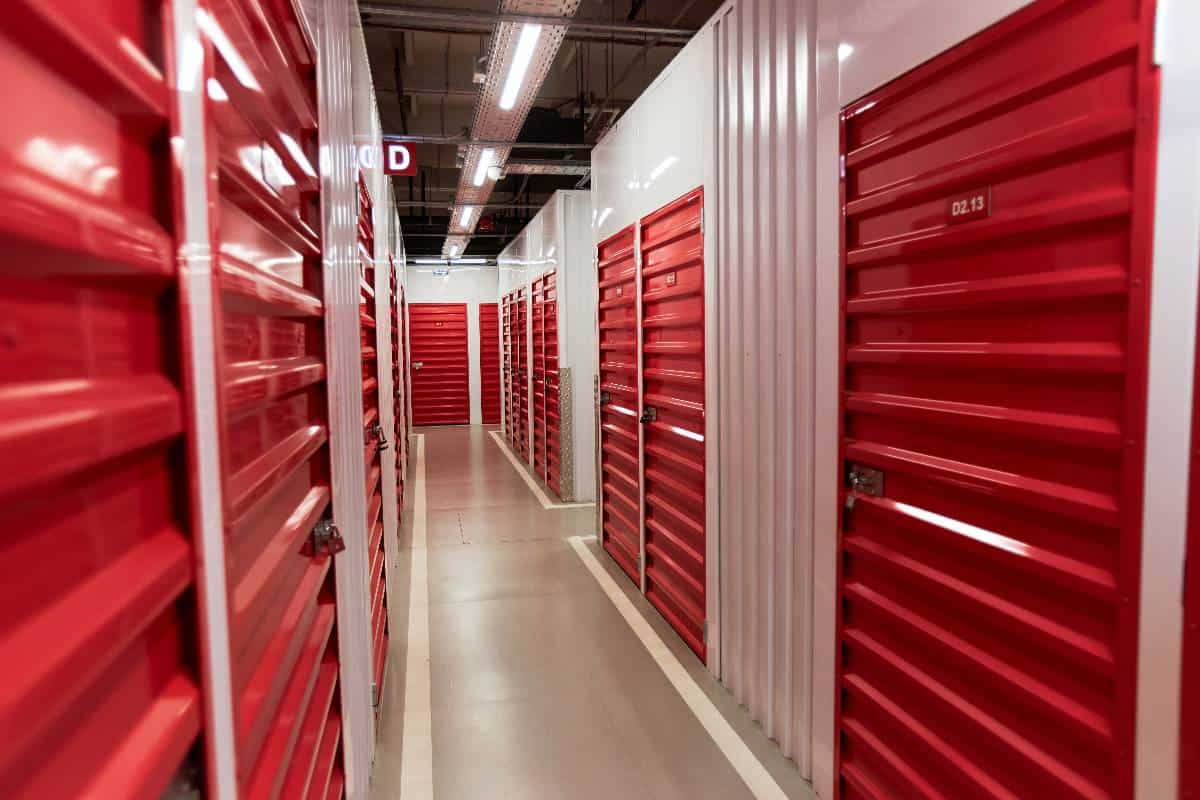
Storage facilities aren’t trying to make your life harder with long lists of banned items. These restrictions exist for three main reasons: safety, legal liability, and protecting other tenants.
Fire codes, EPA regulations, and OSHA standards require facilities to prohibit certain materials. A single can of gasoline or propane tank creates risk for hundreds of units. Insurance companies won’t cover facilities that allow hazardous materials, and local authorities can shut down operations that violate safety codes.
The rules also protect you. If your unit goes up for auction due to unpaid rent, facilities need to avoid selling illegal items or creating liability issues. And nobody wants their belongings damaged because someone else stored rotting food that attracted rodents throughout the building.
Hazardous Materials and Flammable Items You Cannot Store
Hazardous materials top every storage facility’s prohibited list, and for good reason. These items can ignite, explode, leak toxic fumes, or cause catastrophic damage to an entire facility.
Gasoline, propane tanks, and fuel containers are never allowed, even if they’re “empty.” Vapors from fuel can ignite from static electricity or heat inside enclosed spaces. Paint, paint thinner, and solvents fall into the same category. They’re flammable, emit dangerous fumes, and corrode containers over time.
Fireworks and ammunition are strictly prohibited across all facilities. They contain explosive compounds that can detonate under pressure, friction, or temperature changes. Even small amounts pose serious risks. Storage companies have to involve law enforcement if these items are discovered, and you could face criminal charges.
Cleaning chemicals, fertilizers, pesticides, and weed killers can’t be stored either. They’re classified as hazardous under EPA regulations due to their toxic, corrosive, or reactive properties. Aerosol cans—including hair spray, spray paint, compressed air, and cooking spray—are also banned because they can explode in heat.
If you’re clearing out a garage or workshop, don’t assume you can temporarily store these items. Dispose of hazardous materials properly through your local waste management program. Suffolk County offers hazardous waste collection events specifically for these items. It’s worth the extra step to avoid violations or worse.
The same goes for vehicles stored in units. Cars, motorcycles, boats, and lawn equipment must be completely drained of fuel and oil before storage. Leaving fluids in engines or tanks violates facility rules and creates fire hazards. Most facilities require proof that vehicles are registered, insured, and in operational condition before allowing them on the property.
Perishable Food and Items That Attract Pests
Food doesn’t belong in storage units. Period. It spoils, creates odors, and attracts pests that spread throughout the facility and damage other people’s belongings.
Perishable items like meat, dairy, produce, and anything requiring refrigeration will rot quickly in non-climate-controlled units. Even climate-controlled storage can’t prevent spoilage—it just slows it down. The resulting smell permeates walls, floors, and neighboring units. Cleaning up that kind of contamination is expensive and often impossible to fully eliminate.
Opened containers of non-perishable food aren’t safe either. Cereals, crackers, spices, and snacks attract rodents and insects. Mice can smell food through cardboard boxes and will chew through packaging to get to it. Once pests infest one unit, they spread to others through shared walls and ventilation systems.
Some people assume sealed canned goods are fine since they’re shelf-stable. Most facilities still prohibit them. Cans can burst in extreme heat, and even unopened food eventually expires and becomes a liability. If your unit goes unpaid and ends up at auction, the facility doesn’t want to deal with disposing of old food.
Pet food falls into this category too. Dry kibble and canned pet food attract the same pests as human food. If you’re storing pet supplies during a move, keep the food separate and take it with you.
The exception? Some facilities allow commercially sealed, non-perishable items in climate-controlled units for very short-term storage. But you need written approval first, and most movers will tell you it’s not worth the risk. Just take your food with you or donate it before the move.
Plants—living or dead—are also prohibited. Living plants can’t survive without light, water, and proper ventilation. Dead plants decompose, smell, and attract insects. Even dried flowers or potpourri can cause problems if they’re heavily scented, as strong odors attract pests looking for organic material.
Living Things, Illegal Items, and Firearms
This should go without saying, but storage units aren’t living spaces. People, pets, and any other living creatures are strictly prohibited. It’s illegal, inhumane, and dangerous.
Storage units lack ventilation, plumbing, temperature regulation, and safety exits. Attempting to live in a unit or house animals puts lives at risk and violates local housing codes. Facilities that discover someone living in a unit will immediately evict them and may involve law enforcement.
Illegal items—stolen goods, drugs, unlicensed firearms, counterfeit products—can’t be stored anywhere, including storage facilities. If illegal items are discovered, facilities are required by law to report them to authorities. You’ll face criminal charges, lose your belongings, and likely be banned from the facility permanently.
Firearms, Ammunition, and Weapons Storage Rules

Most storage facilities in New York prohibit firearms, ammunition, and weapons entirely. The liability is too high, and the legal complications too complex.
If your unit goes unpaid and ends up at auction, facilities face serious problems with firearms. They have to involve law enforcement, worry about weapons ending up in the wrong hands, and navigate federal and state regulations about firearm transfers. It’s easier to ban them outright.
Some facilities may allow firearm storage under very specific conditions—written approval, proof of proper licensing, secure containers, and additional insurance. But these exceptions are rare, especially in New York where gun laws are strict. Don’t assume your facility allows it. Ask directly and get written confirmation before storing any firearms.
The same applies to other weapons—knives, swords, bows, or any item designed to cause harm. Even antique or decorative weapons often fall under these restrictions due to liability concerns.
If you need to store firearms during a move, consider a gun safe at home or a bank safety deposit box for smaller items. For larger collections, look into specialized armory storage facilities that are designed and licensed specifically for weapon storage. These facilities have the security, insurance, and legal compliance required for firearms.
Ammunition is universally prohibited. It’s classified as an explosive material and poses serious fire and safety risks. Even small amounts can ignite under heat or pressure. Storage facilities won’t make exceptions for ammunition under any circumstances.
Items You Shouldn't Store Even If They're Technically Allowed
Some items aren’t officially prohibited but storing them is still a bad idea. Irreplaceable valuables, important documents, and high-value items fall into this category.
Cash, jewelry, family heirlooms, passports, birth certificates, social security cards, and tax documents should never go in a storage unit. While facilities have security measures, they’re not bank vaults. Storage insurance typically has low coverage limits, and some items are nearly impossible to replace if lost or stolen.
Keep these items in a fireproof safe at home or rent a bank safety deposit box. The peace of mind is worth the small extra cost. If you absolutely must store important documents temporarily, use a climate-controlled unit and keep them in waterproof, fireproof containers. But even then, it’s not ideal.
Scented items like candles, incense, perfumes, and heavily fragranced products attract pests. The smell signals organic material to insects and rodents, even if the items themselves aren’t food. If you’re storing these items, seal them in airtight containers to prevent odors from escaping.
Wet or damp items can’t go into storage. Even slightly damp clothing, towels, or boxes will develop mold and mildew in an enclosed space. The moisture spreads to other items and can ruin furniture, documents, and anything else nearby. Dry everything completely before packing it. If something gets wet during the move, let it air dry before putting it in storage.
Tires are prohibited at most facilities due to disposal costs and fire hazards. Tire fires are extremely difficult to extinguish and release toxic smoke. Most states charge disposal fees for tires, and facilities don’t want that liability. If you need to store tires, check with the facility first and get written approval.
Unregistered or inoperable vehicles aren’t allowed either. Storage facilities require vehicles to be registered in the renter’s name, insured, and in working condition. Abandoned or broken-down vehicles create liability issues and take up space without generating revenue. If your vehicle isn’t operational, you’ll need specialized vehicle storage or a repair shop, not a standard storage unit.
Protect Your Belongings and Stay Compliant with Storage Rules
Knowing what you can’t put in a storage unit protects you from fines, violations, and the headache of dealing with contaminated or damaged belongings. Most prohibited items make sense once you understand the safety and legal reasons behind the rules.
Hazardous materials, perishable food, firearms, and living things are universally banned. But smaller details—like damp items, scented products, or opened food containers—can cause just as many problems if you’re not careful.
If you’re moving on Long Island, NY and need storage between homes, we can help you navigate the process. We handle both the move and the storage so you don’t have to coordinate multiple companies or worry about what goes where. Reach out and we’ll walk you through your options based on what you’re actually storing and how long you need it.