
Summary:
Why Decluttering Before Moving Saves Time and Money
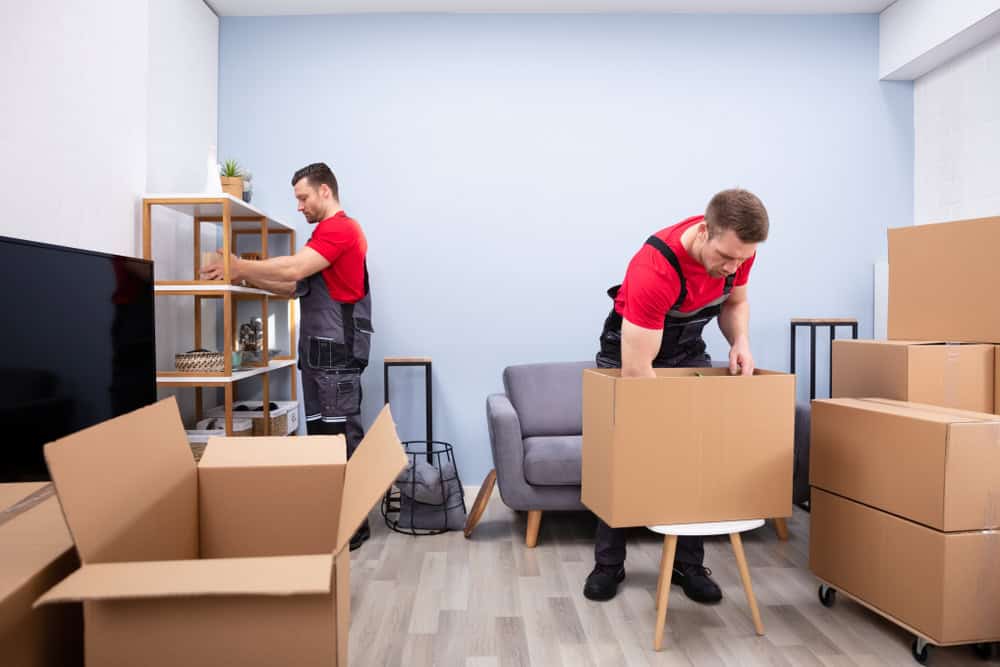
Most people don’t realize how much clutter they’ve accumulated until it’s time to pack. That’s when the junk drawers, storage bins, and “I’ll deal with it later” piles become impossible to ignore.
Decluttering before a move does more than clear space. It directly impacts your moving costs. Professional movers charge based on weight, volume, or time. The more you’re hauling, the more you’re paying. Fewer boxes mean fewer packing materials, a smaller truck, and less time loading and unloading.
Beyond the financial savings, there’s the mental relief. You’re not dragging old baggage—literally—into your new home. You’re starting fresh with only what you actually need and use.
How Much Money You Can Save by Decluttering Before a Move
Let’s talk numbers. The average local move in the New York area costs between $800 and $2,100, depending on the size of your home and how much you’re moving. Long-distance moves can easily run into the thousands.
Every box you eliminate translates into real savings. Professional movers typically charge by the hour for local moves, and the more items they have to handle, the longer it takes. If you’re paying $150 to $200 per hour for a moving crew, cutting down your belongings by even 20% can shave hours off your bill.
Then there’s the cost of packing supplies. Boxes, bubble wrap, tape, and furniture blankets add up fast. The less you’re packing, the less you’re spending on materials. And if you’re renting a moving truck yourself, downsizing could mean the difference between a 16-foot truck and a 26-foot truck—a cost difference of $50 to $100 or more per day.
But here’s what most people overlook: the cost of moving items you don’t even want. You’re essentially paying to transport things that will end up in your new home’s garage, basement, or donation pile. Why not handle that before the move and pocket the savings?
Decluttering also helps you avoid last-minute storage unit rentals. When people realize their new place doesn’t have room for everything, they end up paying $100 to $300 per month for a storage unit they rarely visit. Starting with less means you’re more likely to fit comfortably into your new space from day one.
If you’re downsizing to a smaller home or apartment—common in Long Island, NY, where space comes at a premium—decluttering isn’t optional. It’s necessary. And the earlier you start, the more thoughtful you can be about what stays and what goes.
The Best Time to Start Decluttering for a Move
Timing matters. Start too late, and you’re making rushed decisions while surrounded by half-packed boxes. Start too early, and you might lose momentum before moving day arrives.
The sweet spot? Six to eight weeks before your move. That gives you enough time to work through your home methodically without feeling pressured. You can tackle one room per week, or break larger spaces into smaller zones if you’re short on time.
If you have less than six weeks, don’t panic. You can still make progress. Focus on high-impact areas first: the kitchen, closets, and garage. These spaces tend to hold the most clutter and offer the biggest return on your effort.
Begin with items you rarely use. Seasonal decorations, off-season clothing, books you’ve already read, and kitchen gadgets collecting dust are all easy wins. These decisions are straightforward because you already know you haven’t needed them in months—or years.
Save sentimental items for later in the process. Photos, family heirlooms, and keepsakes require more emotional energy to sort through. If you start there, you’ll burn out before you’ve made real progress. Build momentum with the easy stuff first, then tackle the harder decisions when you’ve already cleared out half your home.
One mistake people make: waiting until the last week to deal with bulky items. Old furniture, broken appliances, and exercise equipment you never use take time to dispose of properly. You can’t just toss a couch to the curb in most areas. Plan ahead for household junk cleanup, whether that means scheduling a donation pickup, arranging a bulk trash collection, or hiring a junk removal service.
Another timing tip: coordinate your decluttering with your packing schedule. As you go through each room deciding what to keep, pack the keepers immediately. This way, you’re not handling the same items twice. Set up a simple system: one area for donations, one for trash, and boxes for items you’re taking with you.
If you’re moving during peak season—typically May through September in Long Island, NY—book any junk removal or donation services early. Companies get busy, and you don’t want to be stuck with a pile of unwanted items and no way to get rid of them before your movers arrive.
Room-by-Room Guide to Declutter Before Moving
The best way to declutter without getting overwhelmed? Take it one room at a time. Trying to tackle your entire home at once is a recipe for frustration and half-finished projects.
Start with the spaces you use least. Guest rooms, linen closets, and storage areas are perfect starting points. You’ll build momentum and create visible progress without disrupting your daily routine. Save high-traffic areas like your kitchen and primary bedroom for later, when you’ve already gotten into a rhythm.
Within each room, break things down even further. Instead of “declutter the kitchen,” focus on one cabinet or drawer at a time. Small wins keep you motivated and make the process feel manageable.
Decluttering Your Kitchen Before a Move

Kitchens are clutter magnets. Over the years, you accumulate duplicates, gadgets you never use, and expired pantry items you forgot existed. This is where you can make serious progress fast.
Start with the easy stuff: expired food. Go through your pantry, fridge, and freezer. Toss anything past its date. Check condiments, spices, and canned goods. You’d be surprised how much space you’ll free up.
Next, tackle your cookware and utensils. Do you really need three can openers? Five spatulas? Multiple sets of measuring cups? Keep one of each essential item and donate the rest. If you haven’t used that bread maker, fondue set, or specialty baking pan in over a year, it’s time to let it go.
Look at your dishes and glassware. If you’re moving to a smaller place, you might not have room for that full set of china you only use once a year. Be honest about what you’ll actually use in your new home.
Small appliances deserve special attention. That juicer gathering dust? The coffee maker you replaced two years ago but kept “just in case”? These items take up valuable space and add weight to your move. If you haven’t used it in the past year, you probably won’t miss it.
Don’t forget about cleaning supplies under the sink. Many moving companies won’t transport open bottles of chemicals. Use up what you can before the move, and dispose of the rest properly. You can always buy new supplies after you’ve settled in.
One strategy that works: pack a “first week” box with the kitchen essentials you’ll need immediately in your new place. As you’re deciding what to keep, ask yourself if each item would make it into that box. If not, do you really need to move it?
The kitchen is also where you’ll find a lot of sentimental items—grandma’s mixing bowls, that wedding gift you never use but feel guilty about. It’s okay to keep some meaningful pieces. But if you’re holding onto things out of obligation rather than love, this is your chance to let them go.
How to Declutter Closets and Clothing for a Move
Closets are another major source of moving clutter. Most people wear 20% of their clothes 80% of the time. The rest just takes up space and adds to your moving costs.
The one-year rule works perfectly for clothing. If you haven’t worn it in the past year, you probably won’t wear it in the next year either. Be realistic about your current size and lifestyle. Holding onto clothes “just in case” only means you’re paying to move items you’ll never use.
Start by pulling everything out. Yes, everything. It’s the only way to see what you actually have. You’ll probably find clothes you forgot you owned, duplicates, and items that no longer fit your style or life.
Make three piles: keep, donate, and toss. The keep pile should only include items you’ve worn recently and feel good in. The donate pile is for anything in good condition that someone else could use. The toss pile is for items that are stained, torn, or too worn to donate.
Don’t forget shoes. Most people have far more pairs than they actually wear. Keep your everyday shoes, a couple of dress options, and maybe one or two seasonal pairs. Everything else can go.
Accessories add up too. Scarves, belts, bags, and jewelry you never wear are just dead weight. If you haven’t reached for it in months, you won’t suddenly start wearing it in your new place.
Seasonal clothing deserves special consideration if you’re moving to a different climate. Relocating from Long Island, NY, to Florida? You won’t need those heavy winter coats and snow boots. Moving somewhere colder? Your collection of summer dresses might not be as useful.
Here’s a trick that helps: pack your clothes as you declutter. When you decide something is worth keeping, fold it and put it directly into a box or suitcase. This way, you’re not handling the same items twice, and you’ll see exactly how much space your clothing actually takes up.
Linens and towels are easy to overlook, but they take up significant space. Keep enough for your new home, plus maybe one extra set. Donate the rest. Old towels can go to animal shelters, which always need them.
If you’re struggling with sentimental clothing—your college sweatshirt, your child’s baby clothes, that concert tee from 1995—consider taking photos before letting them go. You’ll preserve the memory without hauling boxes of old clothes to your new place.
Making Your Move Easier with Smart Decluttering and Junk Removal
Decluttering before a move isn’t just about getting rid of stuff. It’s about making smart decisions that save you money, time, and stress. When you take a systematic, room-by-room approach, the process becomes manageable instead of overwhelming.
The key is starting early and being honest with yourself about what you actually need in your new home. Every item you eliminate is one less thing to pack, move, and unpack on the other end. And when you’re dealing with bulky furniture, old appliances, or years of accumulated household junk, professional help makes the difference between a smooth move and a chaotic one.
If you’re preparing for a move in Long Island, NY, and need help with the heavy lifting, we offer comprehensive junk removal services alongside our moving expertise. Our team handles everything from single items to full household cleanouts, so you can focus on the transition ahead instead of wrestling with unwanted furniture and debris.