
Summary:
Why You Might Need Storage During a Move

Most people assume they’ll move directly from one home to another. Then reality hits. Closings don’t align. Construction runs late. The buyer needs to move in before you’ve found your next place.
Storage fills that gap. It’s not about having too much stuff—it’s about timing that doesn’t cooperate. When you can’t control the calendar, you need a place to put your belongings that doesn’t involve cramming everything into a friend’s garage or paying rent on two places at once.
On Long Island, where the housing market moves fast and renovation timelines can be unpredictable, storage becomes a practical tool. It gives you breathing room to make decisions without pressure and protects your belongings when you’re between addresses.
Common Situations That Require Temporary Storage
The timing gap is the most common reason. You close on your sale, but your purchase isn’t ready for another month. Your lease ends, but the house you’re buying won’t be move-in ready until renovations are done. These aren’t worst-case scenarios—they’re Tuesday for most people navigating a move.
Renovations create another need entirely. If you’re gutting a kitchen or refinishing floors, you can’t live surrounded by construction dust and tools. Moving furniture and belongings into temporary storage protects them from damage and gives contractors the space they need to work efficiently. You’re not dodging boxes while they’re trying to install cabinets.
Downsizing forces decisions you might not be ready to make under deadline pressure. When you’re moving from a four-bedroom house to a two-bedroom condo, you need time to figure out what actually fits and what you’re willing to part with. Storage services lets you move first and sort later, without the stress of deciding everything in a single weekend.
Staging your home for sale works better when it’s not cluttered with your entire life. Buyers want to see the space, not your stuff. Putting excess furniture and personal items in storage temporarily makes rooms look bigger and helps potential buyers imagine the home as theirs. It’s a practical step that can actually speed up your sale.
Then there are the situations you don’t plan for. A delayed construction project. A job relocation that happens faster than expected. Family circumstances that shift your timeline. Storage gives you flexibility when life doesn’t follow the schedule you mapped out six months ago.
How Storage Reduces Moving Stress
Stress during a move comes from too many decisions happening at once. Where does this go? What do we need immediately? How do we fit everything in the truck? Storage removes some of that pressure by spreading out the timeline.
When your belongings are secure in storage, you can focus on the immediate priorities—closing paperwork, setting up utilities, handling the logistics of moving day itself. You’re not trying to unpack and organize while also managing everything else that comes with a transition.
The flexibility matters more than people realize. You can take your time unpacking instead of living in a maze of boxes because you had to move everything in one shot. You can bring items out of storage as you’re ready for them, which means you’re actually organizing your new space instead of just filling it.
Peace of mind is part of the equation too. Professional storage facilities offer security, climate control, and protection that you can’t get from makeshift solutions. Your items aren’t sitting in someone’s damp basement or taking up space in a garage where temperature swings could cause damage.
Storage also prevents rushed decisions you’ll regret later. When you’re not under time pressure, you make better choices about what to keep, what to donate, and what to sell. You can evaluate your new space properly before deciding which furniture actually works and which pieces need to go.
For many people on Long Island, storage isn’t a backup plan—it’s a strategic part of the moving process. It creates space to breathe during a time when everything else feels rushed and chaotic. That breathing room can be the difference between a move that feels overwhelming and one that actually works.
Types of Storage Solutions for Moving
Storage isn’t one-size-fits-all. You have three main options, and each works better for different situations. Self-storage units give you the most control and access. Portable storage containers come to you. Moving company storage handles everything in one coordinated effort.
The right choice depends on how long you need storage, how often you’ll need access, and whether you want to handle the logistics yourself or pay someone else to manage it. Cost matters too, but it’s not always the deciding factor when you weigh convenience against the hassle of multiple trips and coordination headaches.
Self-Storage Units on Long Island

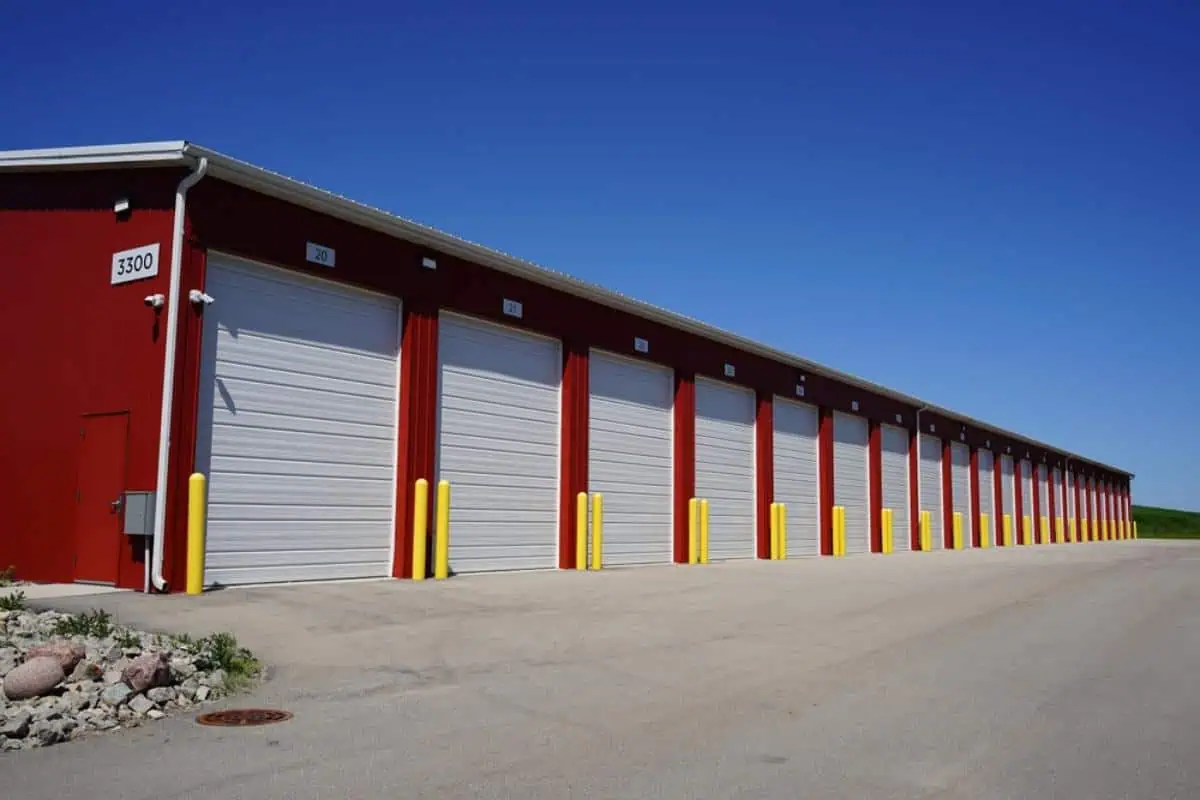
Self-storage facilities are what most people picture when they think about storage. You rent a unit at a facility, usually month-to-month, and you have access whenever you need it. Units range from small 5×5 lockers to large 10×30 spaces that can hold the contents of a multi-bedroom home.
The advantage is control and accessibility. You can visit during business hours—or 24/7 at some facilities—to grab items whenever you need them. You pack and organize the unit yourself, which means you know exactly where everything is. If you realize you need your winter coats or forgot to pack your tools, you can just drive over and get them.
The disadvantage is that you’re responsible for getting everything there and back. You need to rent a truck or hire movers twice—once to load the storage unit, and again to move everything to your new place. That’s double the work, double the coordination, and potentially double the cost if you’re paying movers by the hour for both trips.
Self-storage works well if you need frequent access to your items or if you’re storing things for an extended period while you figure out your next move. It’s the most affordable option if you’re willing to do the heavy lifting yourself. Just make sure you factor in the cost of renting a truck and the time it takes to load and unload multiple times.
Climate-controlled units cost more but protect sensitive items from Long Island’s seasonal humidity and temperature swings. Wooden furniture, electronics, important documents, and anything that could be damaged by moisture or extreme temperatures needs this protection. Standard units work fine for items like patio furniture, tools, and things designed to handle the elements.
Location matters on Long Island. You want a facility that’s convenient to both your current location and your new one, if possible. Driving across the island every time you need something from storage gets old fast. Look for facilities with good security—electronic gate access, video surveillance, well-lit premises—and check reviews to see what other customers say about cleanliness and management. Following basic storage tips like labeling boxes clearly and placing frequently-used items near the front will make your life easier when you need to access your unit.
Portable Storage Containers and Moving Company Storage
Portable storage containers—like PODS or similar services—flip the script on traditional storage. Instead of you going to the storage, the storage comes to you. A container gets delivered to your driveway or street, you pack it on your own schedule, and then the company picks it up and either stores it at their facility or delivers it to your new address.
This approach solves the double-moving problem. You load your belongings once, and they stay in that container until you’re ready to unload at your new place. No renting trucks multiple times. No coordinating separate moving days for storage drop-off and pickup. Everything happens in one streamlined process.
Flexibility is the real advantage here. You can take your time packing without the pressure of a moving truck waiting in your driveway. If your new home isn’t ready, the container sits in secure storage until you are. When you’re ready, they deliver it and you unpack at your own pace. Most companies can arrange access while it’s in storage, though it’s less convenient than walking into a self-storage unit.
Cost runs higher than self-storage, especially for the monthly storage fees. But when you factor in the convenience and the savings from not having to move everything twice, the price difference shrinks. It’s particularly worth it if you’re moving longer distances or if your timeline is uncertain. You’re paying for simplicity and reduced handling of your belongings.
Moving company storage is the option most people don’t know exists. If you’re already hiring professional movers, many companies offer storage as part of their service. We load your belongings, store them in our warehouse, and deliver everything when your new place is ready. You work with one company the entire time instead of coordinating between movers and a separate storage facility.
This is often the most convenient option and sometimes the most cost-effective. Some moving companies include a certain amount of storage time—often up to 90 days—in their estimates for long-distance moves. You’re not paying extra for storage; it’s part of the package. Even for local moves, having your moving company handle storage means one point of contact, one invoice, and no confusion about who’s responsible for what.
Access becomes the tradeoff. Your items are in the moving company’s warehouse, not a facility where you can drop by anytime. Needing something while it’s in storage means coordinating with the company to retrieve it, which isn’t always quick or convenient. This works best when you know you won’t need access during the storage period—you’re moving everything in, storing it, and moving everything out in one go.
Climate control availability varies by company and facility. Ask specifically about temperature and humidity control if you’re storing items that need it. Professional moving companies understand how to protect furniture and belongings during storage, and many have climate-controlled warehouse space specifically for this purpose.
For Long Island residents, working with a local moving company that offers storage can simplify the entire process. We know the area, understand local housing market timing issues, and can coordinate everything from packing to storage to final delivery. It’s one less thing to manage during an already complicated transition.
Choosing the Right Storage Solution for Your Move
Storage during a move isn’t about finding the cheapest option—it’s about finding the one that actually works for your situation. If you need frequent access and want to control costs, self-storage makes sense. If you want convenience and don’t want to move everything twice, portable containers or moving company storage are worth the extra cost.
Think about your timeline, your budget, and how much involvement you want in the logistics. Climate control matters if you’re storing anything sensitive to temperature or humidity, which includes more items than most people realize. And location matters on Long Island, where traffic and distance can turn a quick storage run into an all-afternoon project.
The right storage solution reduces stress instead of adding to it. When you’re already managing a move, you want one less thing to worry about. Whether that means a storage unit you can access anytime or a moving company that handles everything start to finish, choose the option that lets you focus on settling into your new place instead of coordinating logistics. If you need help coordinating storage with your Long Island move, we can walk you through your options and help you figure out what makes sense for your specific situation.